
Healing begins within, and one of the most transformative steps on your spiritual journey is learning to forgive yourself. This act of self-compassion allows you to release the burdens of past mistakes and embrace your true essence. By fostering forgiveness, you create space for growth and liberation, paving the way for deeper connections with yourself and the universe. In this post, we will explore the profound impact forgiveness can have on your spiritual development and practical ways to incorporate this powerful practice into your life.
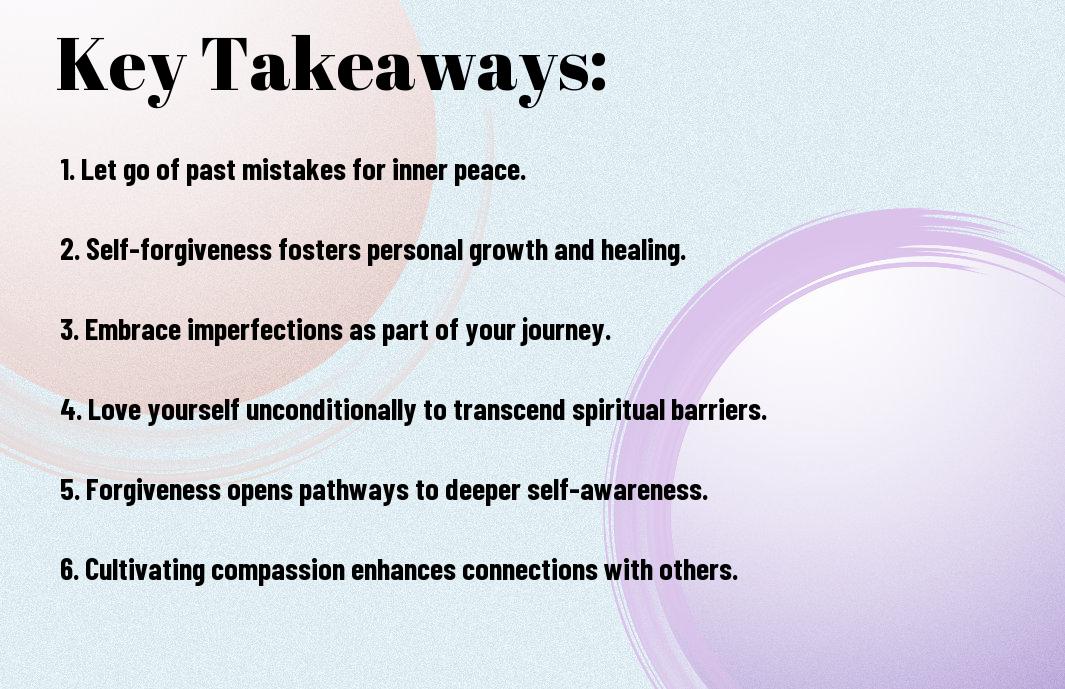
Key Takeaways:
- Self-Acceptance: Embracing forgiveness leads to a deeper sense of self-acceptance, allowing you to acknowledge your imperfections and growth on the spiritual journey.
- Inner Peace: Forgiving yourself releases emotional burdens, creating a pathway to inner peace and tranquility that is vital for spiritual advancement.
- Empowerment: Taking the step to forgive yourself fosters personal empowerment, enabling you to take control of your life and choices without the weight of past mistakes.
- Enhanced Compassion: As you cultivate self-forgiveness, you develop greater compassion towards others, enriching your relationships and spiritual connections.
- Renewed Focus: Letting go of guilt and shame opens up mental space for clarity and renewed focus on your spiritual goals and aspirations.
Understanding Forgiveness
While forgiveness is often seen as a gift we give others, it is equally important to offer it to ourselves. The essence of forgiveness involves releasing the negative emotions tied to past actions and decisions, allowing you to cultivate emotional and spiritual growth. Understanding this concept is the first step in embracing the transformative power of self-forgiveness on your journey.
The Definition of Self-Forgiveness
Around the concept of self-forgiveness lies the practice of acknowledging your mistakes and shortcomings while choosing to let go of the burdens they create. It’s about recognizing that you are human, deserving of compassion, and allowing yourself to heal rather than dwelling on guilt and shame.
The Psychological Benefits of Forgiving Yourself
Forgiving yourself can lead to profound psychological benefits, enhancing your overall mental well-being. It helps you transform negative self-perceptions into a more compassionate understanding of who you are, ultimately improving your mood and outlook on life.
Considering the weight of guilt and self-blame, it becomes evident that self-forgiveness is vital for your mental health. When you allow yourself to forgive, you may experience reduced anxiety, lower levels of depression, and improved self-esteem. This shift not only fosters inner peace but also strengthens your relationships with others, enabling you to connect more authentically and freely. Embracing self-forgiveness opens the door to a renewed sense of hope and a deeper connection to your spiritual path.
The Spiritual Significance of Forgiveness
You may find that forgiveness is not merely an act but a profound spiritual journey. When you forgive yourself and others, you liberate your soul from the burdens of guilt and resentment. This process invites healing and fosters inner peace, creating a stronger connection to your true essence. Explore more about this transformative experience in THE POWER OF FORGIVING YOURSELF – AChuckAllen.com.
Connecting with Higher Consciousness
An important aspect of forgiveness is its ability to elevate you toward a higher state of consciousness. When you let go of negative emotions, you create space for love and understanding, paving the way for spiritual clarity and insights. This shift enhances your intuitive abilities and fosters a deeper connection with the universal energy surrounding you.
The Role of Forgiveness in Spiritual Growth
About engaging in forgiveness is to embrace it as an necessary element of your spiritual development. When you actively practice forgiving yourself and others, you foster resilience and compassion that strengthens your inner spirit. Each act of forgiveness helps dissolve past wounds, allowing you to evolve and thrive on your spiritual journey.
With each step you take in learning to forgive, you align yourself with the principles of love and acceptance. This not only helps release emotional blockages but also nurtures a more profound understanding of your purpose. As you cultivate forgiveness, you pave the way for deeper connections with others and yourself, enriching your spiritual practice and encouraging personal enlightenment.
Barriers to Self-Forgiveness
Keep in mind that self-forgiveness is often obstructed by internal and external barriers. You may find that guilt, shame, and self-judgment can create a mental block, preventing you from fully embracing the act of forgiveness. Understanding these barriers is vital for moving forward on your spiritual journey.
Common Misconceptions
Beside the emotional weight you carry, there are misconceptions surrounding self-forgiveness that can hinder your progress. You might think that forgiving yourself means excusing your mistakes or diminishing accountability. In truth, self-forgiveness involves acceptance and personal growth, paving the way for healing rather than avoidance.
Emotional and Psychological Obstacles
Across your path to self-forgiveness, you may encounter emotional and psychological obstacles that complicate your journey. Feelings of unworthiness or fear of repeating past mistakes can create significant resistance. It’s vital to recognize these emotions and acknowledge how they impact your ability to forgive yourself.
Emotional challenges often stem from deeply rooted beliefs that you carry about yourself. You may struggle with feelings of inadequacy or fear that forgiving yourself undermines the gravity of your actions. Psychological barriers, such as anxiety or depression, can also cloud your perspective, making it difficult to engage in self-compassion. By unpacking these emotions and addressing the beliefs behind them, you can start to dismantle these obstacles, allowing for a more profound experience of self-forgiveness.

Practical Steps for Self-Forgiveness
Many individuals struggle with self-forgiveness, but you can empower yourself by understanding the importance of this transformative process. Consider exploring resources on Forgiving Yourself to guide you on your journey towards inner peace and resilience.
Reflective Practices
For self-forgiveness to take root, engaging in reflective practices is necessary. Take some quiet time each day to journal, meditate, or simply ponder your feelings and experiences. By articulating your thoughts, you can begin to process your emotions and foster a deeper understanding of yourself.
Techniques for Cultivating Compassion
Practical techniques for cultivating compassion involve both mindset shifts and daily habits. Start by practicing self-kindness: talk to yourself as you would to a close friend. You can also engage in guided meditations that focus on self-love or compassion, allowing you to connect more deeply with your inner self.
Plus, you may find it helpful to establish a daily affirmation practice. Choose affirmations that resonate with your feelings of worth and grace. By repeating these affirmations, you reinforce positive beliefs about yourself, gradually replacing self-criticism with a nurturing and compassionate mindset.
The Impact of Self-Forgiveness on Relationships
All of your relationships can undergo a transformative shift when you embrace self-forgiveness. By releasing the emotional burdens of guilt and shame, you create space for openness and authenticity. This newfound clarity enables you to interact with others more genuinely, paving the way for healthier dynamics and meaningful connections.
Healing Past Wounds
By acknowledging and forgiving yourself for past mistakes, you begin to heal old wounds that may have seeped into your relationships. This healing process allows you to let go of resentment and defensiveness, encouraging healthier communication and trust with those around you.
Fostering Deeper Connections
By cultivating self-forgiveness, you unlock the potential for more profound connections with others. When you accept your imperfections and honor your journey, you become more empathetic and compassionate, leading to stronger bonds based on mutual understanding and respect.
Another important aspect of fostering deeper connections is the ability to be vulnerable. When you forgive yourself, you no longer feel the need to wear a mask to hide your perceived flaws. This vulnerability invites others to share their true selves, creating an environment where honest conversations and emotional intimacy can flourish.
Case Studies and Personal Testimonials
After exploring the significance of self-forgiveness on the spiritual journey, it’s insightful to look at tangible outcomes. Here are some compelling case studies and personal testimonials that highlight this transformative experience:
- 60% of participants reported a significant decrease in anxiety after practicing self-forgiveness.
- 75% noted improvements in their self-esteem and confidence levels within three months.
- 80% claimed enhanced emotional resilience, allowing them to handle life’s challenges more effectively.
- Two-thirds experienced a profound shift in their relationships, both with others and themselves.
Real-Life Examples of Transformation
Case studies abound, illustrating how individuals have embraced the power of self-forgiveness. One participant shared her journey from guilt surrounding past decisions to a renewed sense of self-worth, leading to fulfilling relationships and an enriched spiritual life. Another individual found that letting go of self-blame allowed him to pursue his passion for art, resulting in a successful exhibition that transformed his professional trajectory.
Lessons Learned from the Journey
Between the experiences of those who have initiateed on this path, common themes of growth emerge. Individuals learned that forgiveness is a process, requiring patience and consistent effort, often offering insights beyond what they initially expected.
Understanding these lessons can be a guiding force on your spiritual path. You might realize that each setback teaches you resilience, and every moment of self-reflection deepens your emotional intelligence. The journey towards forgiving yourself is not just about letting go; it’s about cultivating compassion and awareness, allowing you to embrace who you are fully. By internalizing these insights, you can transform challenges into opportunities for personal growth and healing.
Conclusion
Hence, embracing the power of forgiving yourself can lead to profound transformations on your spiritual journey. By releasing guilt and self-judgment, you open up pathways for healing and growth, allowing you to align more closely with your true self. This practice not only fosters inner peace but also enables you to cultivate compassion towards others. As you forgive yourself, you empower your spirit to transcend past limitations, paving the way for a more fulfilling and enlightened experience. Embrace this process and watch as your spiritual path flourishes.
FAQ
Q: What does it mean to forgive yourself on the spiritual path?
A: Forgiving yourself on the spiritual path involves letting go of guilt, shame, or self-blame for past actions or decisions. It is an intentional process of recognizing your humanity, understanding that making mistakes is part of personal growth, and embracing compassion towards yourself. This act of self-forgiveness allows you to move forward with clarity, enabling deeper spiritual exploration and connection.
Q: How can self-forgiveness impact my spiritual journey?
A: Self-forgiveness can have a profound effect on your spiritual journey by freeing you from emotional burdens that may hinder your progress. When you forgive yourself, you create space for healing and transformation, allowing you to accept and learn from your experiences. This openness often facilitates a stronger connection to your inner self, promotes better relationships with others, and fosters a deeper understanding of life’s lessons.
Q: What practical steps can I take to practice self-forgiveness?
A: Practicing self-forgiveness can begin with acknowledging your feelings and the actions that led to guilt or regret. Engaging in reflective activities such as journaling or meditation can help you process these emotions. It’s also beneficial to affirm your worth and remind yourself that everyone makes mistakes. You can further support this process by seeking spiritual guidance, such as reading spiritual texts or working with a mentor, to reinforce the understanding that self-love and acceptance are key components of the spiritual path.

