Development on your spiritual journey often hinges on your ability to forgive. As you strive for inner peace and growth, understanding forgiveness’s transformative power becomes important. This process not only liberates you from past grievances but also fosters a deeper connection with yourself and others. By embracing forgiveness, you can cultivate compassion, enhance emotional resilience, and create space for personal reflection. In this blog post, you will explore the significance of forgiveness in nurturing your spiritual well-being and practical steps you can take to integrate it into your life.
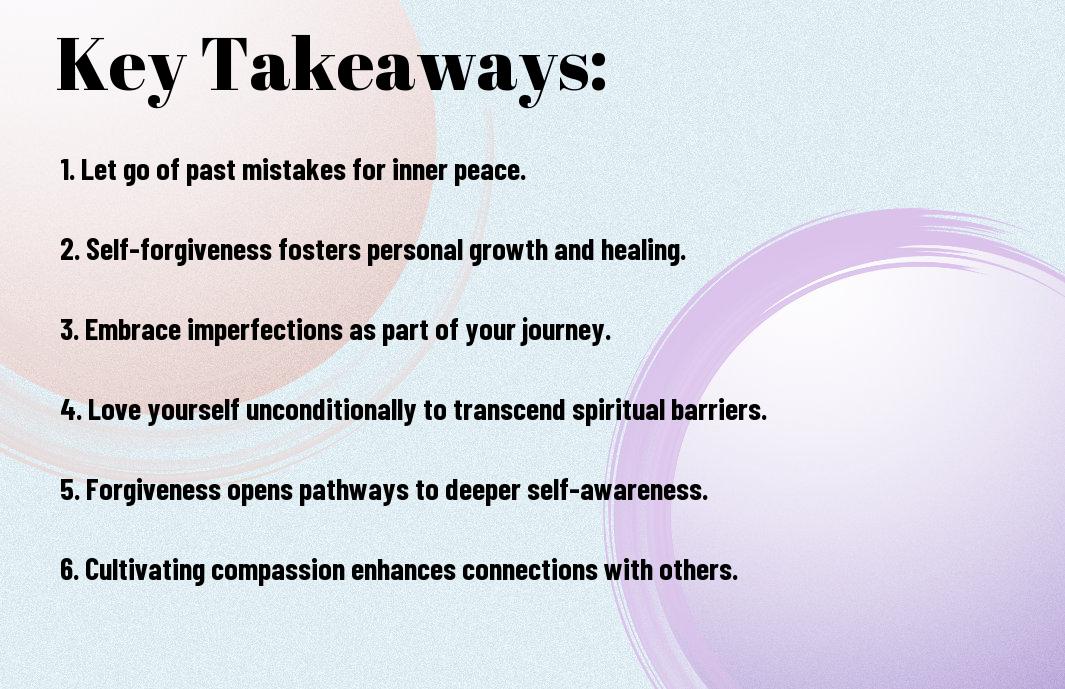
Key Takeaways:
- Emotional Healing: Forgiveness acts as a catalyst for emotional healing, allowing individuals to release negative feelings and create space for positive emotions.
- Spiritual Growth: Engaging in forgiveness fosters spiritual development, helping individuals connect more deeply with their inner selves and their spiritual beliefs.
- Interpersonal Relationships: Practicing forgiveness enhances relationships by promoting understanding, compassion, and empathy among individuals.
- Letting Go of Resentment: Forgiveness is a means to let go of resentment, which can hinder spiritual progression and personal well-being.
- Inner Peace: Cultivating forgiveness leads to a greater sense of inner peace, allowing individuals to embrace their spiritual path more fully.
The Concept of Forgiveness
Before exploring the significance of forgiveness in your spiritual journey, it’s crucial to understand its core concept. Forgiveness is often viewed as a conscious decision to let go of resentment or vengeance against someone who has wronged you. This process not only impacts your emotional well-being but also opens pathways for profound spiritual growth and healing.
Defining Forgiveness
Behind the word ‘forgiveness’ lies a complex array of emotions and intentions. At its essence, forgiveness means to grant pardon to someone for their transgressions and, in doing so, liberate yourself from emotional turmoil. It does not condone the offense but acknowledges your desire to move forward without the burden of anger or hurt.
Types of Forgiveness
One way to understand forgiveness is through its various types. These include interpersonal forgiveness, seeking self-forgiveness, and collective forgiveness. Understanding these distinctions helps you identify the type of forgiveness that resonates with your experience. Here’s a breakdown to guide you:
| Type of Forgiveness | Description |
| Interpersonal | Forgiveness between individuals, often focusing on mending relationships. |
| Self-forgiveness | Extending compassion towards oneself for past mistakes. |
| Collective | Forgiveness among groups or communities impacted by historical grievances. |
| Spiritual | A deeper form often tied to one’s beliefs and connection to the divine. |
| Conditional | Forgiveness dependent on specific circumstances or actions. |
Further exploring types of forgiveness can deepen your understanding and application of the concept. Each type serves a different purpose and can benefit you in unique ways. Think about how these different forms of forgiveness might manifest in your life:
- Interpersonal forgiveness can help restore lost friendships or familial bonds.
- Self-forgiveness may allow you to release feelings of guilt and shame.
- Collective forgiveness encourages healing within communities affected by injustice.
- Spiritual forgiveness can enhance your relationship with the divine.
- Conditional forgiveness might require specific reparative actions.
Any of these pathways can lead you toward a transformative experience, enhancing your spiritual development along the way.
The Spiritual Significance of Forgiveness
Some might overlook the profound impact that forgiveness has on your spiritual journey. It serves as a powerful tool for healing both yourself and your relationships, allowing you to release negative emotions that may hinder your growth. Embracing forgiveness opens the door to compassion and understanding, enabling you to align with your higher self and achieve a deeper connection to the universe.
Forgiveness in Religious Texts
One of the most compelling aspects of forgiveness is its prominence in various religious texts, highlighting its universal importance. In Christianity, for instance, you are encouraged to forgive not just for others’ benefit but as a pathway to divine grace. Similarly, in Buddhism, the practice of forgiving is seen as imperative to overcoming suffering and moving towards enlightenment.
Forgiveness as a Path to Inner Peace
Among the many benefits of forgiveness is its ability to pave the way for inner peace. By letting go of grudges and resentment, you create a serene mental space where your spiritual essence can thrive. This practice can liberate you from emotional turmoil, encouraging a more harmonious and fulfilling existence.
A profound degree of inner peace emerges when you actively choose to forgive. As you relinquish the burdens of anger and hurt, you will find that your mind becomes clearer and more focused. This clarity allows you to cultivate mindfulness and compassion, deepening your spiritual practice and enhancing your overall well-being. Ultimately, embracing forgiveness transforms your inner landscape, fostering joy and tranquility in your daily life.

Psychological Perspectives on Forgiveness
Your understanding of forgiveness will deepen as you explore the psychological perspectives on this transformative process. Forgiveness is not only a moral or spiritual endeavor; it influences mental well-being and emotional resilience. Recognizing the psychological dimensions of forgiveness can help you navigate your own experiences and foster healing. As you learn about these perspectives, you can better appreciate how letting go of resentment can lead to personal growth and enhanced emotional health.
Emotion Regulation and Forgiveness
On the journey toward forgiveness, you may find that effectively regulating your emotions is necessary. When you practice forgiveness, you not only diminish negative feelings like anger and bitterness but also foster positive emotions, enabling a more balanced emotional state. Developing emotion regulation strategies can facilitate this process, allowing you to cultivate empathy and understanding, which ultimately enhances your overall well-being.
Forgiveness and Mental Health
To foster mental health, engaging in the act of forgiveness can be transformative. Embracing forgiveness helps you release the burden of past grievances, potentially reducing anxiety and depression. Forgiveness improves your self-esteem and cultivates a sense of inner peace, supporting your overall mental wellness. By prioritizing forgiveness, you allow yourself the opportunity to heal, grow, and experience a more fulfilling life.
Health benefits associated with forgiveness extend beyond emotional relief. Studies indicate that forgiving individuals often experience lower levels of stress and enhanced overall life satisfaction. This mental clarity enables you to focus on positive relationships and experiences, promoting resilience against life’s challenges. As you practice forgiveness, you actively contribute to your mental health by fostering an optimistic outlook and enhancing your capacity for joy and connection.
The Process of Forgiving
Not all acts of forgiveness happen overnight; it often requires time and conscious effort. Engaging in Understanding Biblical Forgiveness: A Path to Healing and Peace can guide you in navigating your own journey towards letting go of resentment and embracing true forgiveness. This process involves recognizing your feelings, acknowledging the impact of the hurt, and ultimately choosing to forgive, which can lead to profound improvements in your emotional and spiritual well-being.
Stages of Forgiveness
Beside the emotional toll that hurt can cause, you may find that forgiveness unfolds in distinct stages. Initially, you might experience shock or denial, followed by feelings of anger and sadness. As you progress, understanding and empathy may develop, allowing you to contemplate the event with a more compassionate perspective. Finally, reaching a stage of acceptance can enable you to release negative emotions, paving the way for healing and growth.
Practices to Cultivate Forgiveness
By engaging in specific, intentional practices, you can cultivate forgiveness in your life. Consider journaling about your feelings to gain clarity, meditating to foster inner peace, or seeking counseling to process your emotions. These actions can help you navigate the complexities of forgiveness and deepen your spiritual journey, ultimately allowing you to move forward with a lighter heart.
Practices such as deep breathing, visualization, and positive affirmations can help reinforce your commitment to forgive. You might also explore guided meditations focused on letting go or participate in support groups where you can share your experiences with others. Engaging in acts of kindness can serve as a reminder of compassion, encouraging you to release grudges and embrace healing. The more consistently you incorporate these practices into your routine, the more readily forgiveness will become an integral part of your spiritual development journey.
Challenges in the Forgiveness Journey
Keep in mind that the path to forgiveness is not always smooth; you may encounter various challenges that test your resolve. Emotional pain, resentment, and the complexities of interpersonal relationships can create significant obstacles. Acknowledging these hurdles is the first step in navigating your personal journey towards forgiveness, allowing you to recognize the weight they carry and the negative impact they have on your spiritual growth.
Barriers to Forgiveness
Journey towards forgiveness can often be obstructed by deep-seated emotions and past traumas. Fear of vulnerability, a sense of betrayal, or a desire for justice may stand in your way, making it difficult to embrace the healing that forgiveness offers. Understanding these barriers provides you with the opportunity to address them, paving a smoother road ahead.
Overcoming Resistance
Against the beautiful potential of forgiveness, you might find your instincts resisting the process. This resistance often manifests as self-protection or a reluctance to let go of the familiar pain of past grievances. Recognizing these instinctual responses can empower you to confront them, allowing space for growth and emotional freedom.
For instance, when faced with the impulse to cling to anger or resentment, try to pause and reflect on what these emotions are protecting you from. Instead of suppressing them, consider journaling or speaking to a trusted friend about your feelings. This exploration can facilitate a deeper understanding of your resistance, helping you to address the underlying fears and ultimately make room for forgiveness, thus advancing your spiritual development.
The Impact of Forgiveness on Spiritual Growth
For many seeking spiritual growth, forgiveness serves as a pivotal element in your journey. It allows you to release heavy burdens and negative emotions that weigh down your spirit. By forgiving others and yourself, you create space for love, compassion, and deeper awareness, paving the way for a more enriched spiritual life. This transformative process not only enhances your inner peace but also fosters a deeper connection with your spiritual essence and purpose.
Forgiveness and Personal Transformation
Beside offering relief from emotional pain, forgiveness empowers your personal transformation by inviting you to confront and embrace your vulnerabilities. As you practice forgiveness, you become more attuned to your thoughts and feelings, allowing you to develop greater self-awareness. This newfound understanding can lead to healthier relationships, increased empathy, and a more profound sense of self-acceptance, all of which are necessary for your spiritual journey.
Forgiveness as a Catalyst for Spiritual Awakening
Transformation occurs when you embrace forgiveness, as it ignites the flame for spiritual awakening. By letting go of grudges and resentment, you align your heart and mind with deeper truths about love and compassion. In the process, you uncover new layers of consciousness, unlocking the potential for spiritual growth that you never knew existed. Forgiveness opens the door to a profound understanding of interconnectedness, guiding you toward a more fulfilling spiritual experience.
Forgiveness plays a transformative role in catalyzing your spiritual awakening by guiding you toward inner peace and clarity. As you actively choose to forgive, you release the emotional shackles that bind you, allowing transcendent experiences to enter your life. This intentional act of letting go paves the way for new insights, deeper connections with others, and a greater understanding of life’s purpose. In essence, it serves as a vital key, granting you access to the profound spiritual realities that await you.
Final Words
Upon reflecting, you may find that forgiveness serves as a transformative element in your spiritual development. It allows you to release inner burdens, fostering peace and harmony in your life. By embracing forgiveness, you create space for growth, compassion, and self-understanding. This process not only enriches your personal experiences but also deepens your connections with others. In your spiritual journey, practicing forgiveness can lead to profound insights and a stronger sense of purpose, guiding you toward a more fulfilling existence.
FAQ
Q: How does forgiveness contribute to personal growth in a spiritual context?
A: Forgiveness plays a significant role in personal growth within the spiritual realm by removing emotional barriers and allowing individuals to move forward. When one forgives, it often leads to a release of anger, resentment, and guilt, which can impede spiritual advancement. This process not only fosters inner peace but also enhances one’s capacity for empathy and compassion, enabling deeper connections with others and fostering a greater sense of community.
Q: Can the act of forgiving others impact one’s spiritual practice?
A: Yes, the act of forgiving others can profoundly impact one’s spiritual practice. By actively engaging in forgiveness, individuals may find an increase in mindfulness and clarity, leading to a more authentic spiritual experience. This release of negative emotions encourages a positive mindset, making it easier to engage in meditation, prayer, or other spiritual activities. Furthermore, forgiving others can create a sense of liberation, allowing the individual to focus more fully on their spiritual journey.
Q: What are some practical ways to cultivate forgiveness in daily life?
A: Cultivating forgiveness can be approached in several practical ways. First, individuals can practice self-reflection, assessing their feelings and identifying emotions that need to be addressed. Journaling about these feelings and the process of forgiveness can also be beneficial. Additionally, engaging in mindfulness or meditation can help in understanding and letting go of grievances. Lastly, seeking support from a spiritual community or guidance from a mentor can provide encouragement and facilitate the journey toward forgiveness.