sacred

How to Use Sacred Rituals in Your Spiritual Practice

Most spiritual seekers desire a deeper connection to their inner selves and the universe. Integrating sacred rituals into your practice can enhance this connection, providing structure and intention to your spiritual journey. Whether you are looking to celebrate significant life events, foster mindfulness, or invoke healing, these rituals can serve as powerful tools for transformation. In this post, you will discover effective ways to incorporate sacred rituals into your daily life, helping you cultivate a nourishing spiritual practice that resonates with your unique beliefs and experiences.

Key Takeaways:

  • Intentionality: Set a clear purpose for your rituals to align your actions with your spiritual goals.
  • Consistency: Incorporate rituals regularly to foster deeper connections with your spiritual path.
  • Adaptability: Feel free to modify traditional rituals to better suit your personal beliefs and experiences.
  • Presence: Engage fully in the moment during rituals to enhance your spiritual awareness and connection.
  • Community: Share rituals with others to create a sense of belonging and deepen collective spiritual experiences.

Understanding Sacred Rituals

Your spiritual practice can be greatly enriched by integrating sacred rituals, as they provide a structured way to connect deeply with your beliefs. By engaging in these time-honored practices, you create a sacred space for reflection, growth, and transformation in your life.

Definition and Importance

Definition: Sacred rituals can be defined as intentional acts or ceremonies that hold spiritual significance, often aimed at fostering a deeper connection with the divine or a higher power. The importance of these rituals lies in their ability to ground you, create a sense of community, and enhance your spiritual awareness, facilitating a meaningful journey toward personal and collective growth.

Historical Context and Evolution

Against the backdrop of human history, sacred rituals have evolved significantly. They have often mirrored the changing beliefs and needs of cultures, adapting to various spiritual frameworks while maintaining their core essence. From ancient societies to modern spiritual movements, rituals have served as a bridge connecting people to their spirituality and cultural heritage.

Historical studies show that many sacred rituals were rooted in agricultural cycles, seasonal changes, or life milestones, often serving to unify communities in celebration or mourning. As cultures intermingled and transformed, these rituals adapted, reflecting a blend of diverse beliefs and practices. In contemporary spirituality, while some rituals maintain their traditional forms, many have been repurposed, allowing you to personalize and deepen your spiritual experience. Understanding this evolution can enhance your appreciation for the rituals you choose to incorporate into your practice.

Preparing for Rituals

Now that you’ve decided to incorporate sacred rituals into your spiritual practice, it’s time to prepare. Begin by reflecting on your goals and the significance of the ritual. You can gain valuable insights on how to initiate this process by visiting Create Your Own Spiritual Rituals | Read & Be Well. Each preparation step sets the stage for a more meaningful experience, allowing you to engage deeply with your spiritual journey.

Setting Intentions

At the heart of every ritual lies intention. By clearly articulating what you hope to achieve through your practice, you create a focused energy that guides every element of the ritual. Take a moment to meditate on your intentions, writing them down can help solidify your focus and remind you of the purpose of your spiritual work.

Creating a Sacred Space

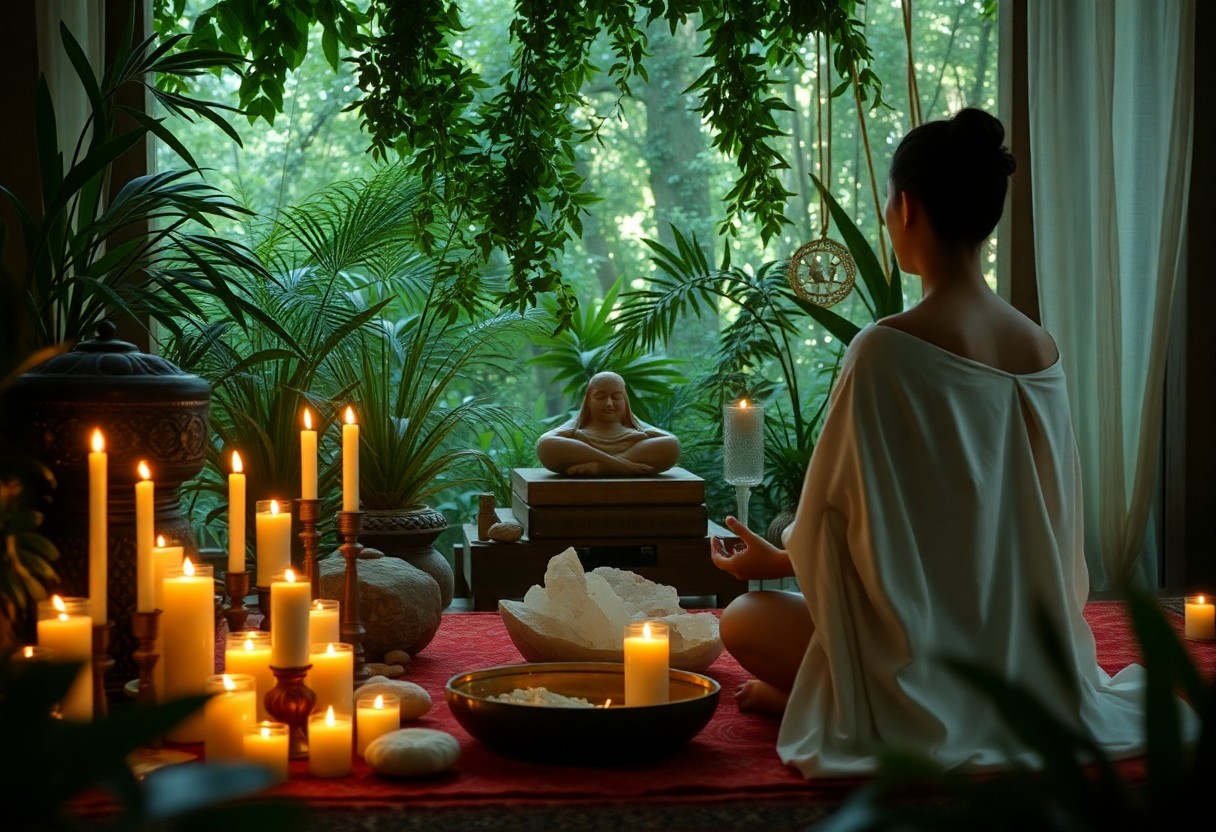
Sacred spaces are imperative for effective rituals, as they help you connect with your inner self and the energies around you. Choose an area that feels comfortable and resonates with your spiritual intentions. This could be a corner of your room, a secluded spot in nature, or a dedicated altar. Use objects that hold meaning to you, such as crystals, candles, or natural elements, to enhance the ambiance.

The way you arrange your sacred space can significantly influence your ritual experience. Strive for an environment that is quiet, uncluttered, and filled with items that inspire peace and reflection. Including elements like soothing lighting, fragrant incense, or calming music can help you attune to a sacred frequency. By thoughtfully curating this space, you invite a deeper connection with yourself, paving the way for a profound ritual experience.

Types of Sacred Rituals

To enrich your spiritual practice, you can explore various types of sacred rituals that cater to your personal beliefs and intentions. Here is a breakdown of ritual types:

Type of Ritual Description
Daily Rituals Simple practices to enhance everyday spiritual growth.
Seasonal Rituals Rituals aligned with seasonal changes and nature’s cycles.
Lunar Rituals Practices centered around the phases of the Moon.
Healing Rituals Rituals aimed at physical, emotional, or spiritual healing.
Ceremonial Rituals Structured rites often performed in groups or communities.

After exploring these types, you can select rituals that resonate with your spiritual path.

Daily Rituals for Spiritual Growth

Growth can occur in every moment through daily rituals that nurture your spirit. These practices could include morning meditation, journaling your intentions, or connecting with nature to stay grounded. Incorporating small sacred actions into your routine empowers you to cultivate awareness and gratitude, enhancing your spiritual journey.

Seasonal and Lunar Rituals

Around each season and lunar phase, you have the chance to align your spirit with nature’s rhythms. Celebrating the spring equinox, honoring the summer solstice, or performing full moon releases can create deep connections to the energies around you. Engaging in these rituals helps you attune to the cycles of life and can foster a sense of harmony within.

Daily rituals related to lunar phases may involve setting intentions during a new moon or expressing gratitude during a full moon. Utilizing the energy of these celestial events can enhance your practice and provide you with guidance on your growth. Embrace these moments as opportunities to reflect, release, and manifest your desires in alignment with the cosmos.

Incorporating Rituals into Daily Life

Many people find that integrating sacred rituals into their daily lives enhances their spiritual experience. By committing to these practices regularly, you can cultivate a deeper connection to your spirituality and yourself. Consider exploring how religious rituals and practices serve as a means for personal growth and community bonding.

Building a Routine

Before you can fully incorporate rituals into your daily life, it’s helpful to establish a routine that resonates with you. Select specific times of the day, whether it’s morning, midday, or evening, to engage in your rituals consistently. This regularity will help solidify your commitment and create a sacred space in your schedule for personal reflection and growth.

Flexibility and Adaptation

An vital aspect of incorporating rituals into your life is recognizing the need for flexibility and adaptation. Life is ever-changing, and sometimes, you may find it challenging to maintain your routine. Adapt your practices to suit your current circumstances while keeping the core intention behind them intact.

Adapting your rituals doesn’t mean abandoning them; it’s about finding what works best for you. You might shorten a meditation session on a busy day or combine different practices into one when time is limited. This approach ensures that your spiritual practice remains relevant and accessible, fostering a sustainable connection to your rituals, no matter your life stage.

Common Elements of Rituals

After exploring the essence of sacred rituals, it’s imperative to understand their common elements. Rituals typically comprise a structured set of actions, symbols, and intentions that serve to create a conducive environment for spiritual experiences. These elements work together to enhance your connection to the divine, establishing a pattern that draws you into deeper awareness and reflection.

Symbols and Tools

Below are some key symbols and tools that you can use to enrich your rituals. Items such as candles, crystals, herbs, and altars hold significant meaning in spiritual practices. Each tool can help you focus your intentions, making your rituals more powerful and personal.

Language and Ceremony

Elements of language and ceremony in your rituals can deepen the experience and bring clarity to your intentions. The choice of words, prayers, or chants helps articulate your desires, guiding your focus and energy. Singing or reciting sacred texts creates a sacred atmosphere, inviting profound connection and reverence. Using intentional language can transform simple actions into powerful expressions of your spiritual journey.

Another important aspect of language and ceremony is the rhythmic and melodic nature of how you express your intentions. Whether through spoken word, songs, or chants, the sound creates vibrations that resonate with your inner self and the universe. This not only enhances your focus but also honors the sacredness of the moment, making your spiritual practice feel more alive and meaningful.
Overcoming Challenges in Practice

All spiritual practices come with their set of challenges, and navigating these hurdles can deepen your connection with your rituals. You might experience moments of doubt or find it difficult to stay consistent in your practice. Recognizing these challenges is the first step toward developing resilience and enhancing your spiritual journey. By addressing these difficulties, you empower yourself to build a more profound relationship with your sacred rituals.

Dealing with Doubts

For those moments when doubts creep in, it’s imperative to acknowledge them instead of pushing them aside. Reflecting on the origin of these doubts can provide clarity and help you deepen your understanding of your rituals. You might find that connecting with a supportive community or engaging in introspective journaling can reinforce your beliefs and foster a renewed sense of commitment to your spiritual path.

Maintaining Consistency

Challenges in maintaining consistency may arise, especially when life becomes hectic. You might struggle to dedicate time or find motivation, but keeping your rituals simple and flexible can make a significant difference. Tailor your practice to fit your lifestyle without sacrificing its essence. Consistency often grows from small, manageable routines rather than grand, infrequent ceremonies.

And establishing a regular schedule for your sacred rituals can help in cultivating consistency. Consider setting aside specific times during the week dedicated solely to your practice, treating it as an important appointment. By doing so, you create a rhythm that integrates these rituals into your daily life. Even short, intentional sessions can hold great value, allowing you to reconnect with your spiritual practice regardless of external circumstances.

Summing up

With this in mind, incorporating sacred rituals into your spiritual practice can significantly deepen your connection to your intentions and enhance your overall spiritual experience. By intentionally dedicating time for these practices, you can cultivate mindfulness, foster a sense of community, or invoke specific energies that resonate with your beliefs. Experimenting with various rituals allows you to discover what aligns best with your spirit, creating a personalized approach that nurtures your growth and insight. Ultimately, the key lies in your commitment and openness to exploring the transformative power of sacred rituals in your life.

FAQ

Q: What are sacred rituals and how do they enhance my spiritual practice?

A: Sacred rituals are structured practices that help individuals connect with their spiritual beliefs and enhance their personal growth. These rituals often involve specific actions, symbols, or prayers that hold significance to an individual or group. By incorporating sacred rituals into your spiritual practice, you create a focused environment that allows for deeper reflection, intention-setting, and a stronger connection to your higher self or the divine. Whether it’s lighting a candle during meditation or performing a specific set of movements, these rituals can help ground your practice and foster a sense of purpose.

Q: How can I create my own sacred ritual to fit my spiritual beliefs?

A: To create a personalized sacred ritual, begin by identifying what elements resonate most with your beliefs and desires. Consider incorporating items such as crystals, candles, or incense that hold personal significance. Next, determine the structure of your ritual: will it involve meditation, chanting, or physical movement? Set a specific intention for your ritual, which will serve as a focal point during your practice. Lastly, establish a consistent time and place to perform your ritual. This helps to strengthen the connection between your ritual and your spiritual practice, making it a meaningful part of your daily or weekly routine.

Q: How can I maintain the effectiveness of my sacred rituals over time?

A: Maintaining the effectiveness of your sacred rituals involves a few key practices. First, stay open to evolving your rituals as your spiritual journey progresses. Regularly reassess your intentions and the elements of your rituals to ensure they continue to align with your current beliefs. Additionally, create a sacred space where you can perform your rituals consistently; having a dedicated area can help reinforce the significance of your practices. Engaging in regular reflection on your experiences during and after the rituals can also deepen your understanding and enhance their impact on your spiritual development.

How to Create a Sacred Space in Your Home

You have the power to transform a corner of your home into a sacred space that nurtures your spirit and enhances your well-being. By intentionally curating an environment that resonates with your personal values and needs, you can cultivate a sanctuary for meditation, relaxation, or inspiration. This blog post will guide you through practical steps to design a tranquil area that reflects your essence and promotes inner peace. Let’s examine into the imperative elements that can help you create the sacred space you’ve always desired.

Key Takeaways:

  • Choose a Designated Area: Select a quiet spot in your home that feels peaceful and can be dedicated to your sacred space.
  • Incorporate Personal Elements: Add items that hold meaning for you, such as photographs, crystals, or symbols that inspire calmness.
  • Utilize Natural Materials: Embrace elements from nature like wood, stones, or plants to create a grounding atmosphere.
  • Mindful Decor: Use colors and decor that resonate with tranquility and reflect your personal style, enhancing the space’s energy.
  • Establish a Routine: Regularly use this space for meditation, reflection, or rituals to strengthen its sacredness and purpose.

Understanding Sacred Spaces

While creating a sacred space may seem simple, it holds profound significance in enhancing your well-being. A sacred space is more than just a physical area; it serves as a sanctuary for contemplation, relaxation, and self-discovery. By intentionally designating a portion of your home, you create an environment that nurtures your spirit and inspires mindfulness, ultimately allowing you to reconnect with your true self.

The Meaning of Sacred Space

Across various cultures and philosophies, sacred spaces are viewed as places where the ordinary meets the extraordinary. These areas are imbued with intention, encouraging you to cultivate a deeper connection to your surroundings. This can be anywhere from a meditation nook to an altar, and the essence lies in the energy and intention behind the space you create.

The Benefits of Creating a Sacred Space

Understanding the advantages of a sacred space can significantly enhance your life experience. By designating a personal area, you foster relaxation and mindfulness, carve out time for self-reflection, and promote spiritual growth. It allows you to escape the chaos of everyday life and step into a realm where you can recharge and reconnect with your inner self.

Consequently, a dedicated sacred space can lead to heightened focus, reduced stress, and a greater sense of peace. When you allow yourself to step into this intentional area, you create an opportunity for transformation in your daily life. This space serves as a reminder of your aspirations and offers support in fostering positive habits, ultimately guiding you toward a more centered and fulfilled existence.

Choosing the Right Location

It’s important to select a location in your home that feels both comfortable and inviting for your sacred space. Consider areas where you can retreat from daily distractions, allowing you to deepen your connection to mindfulness and inner peace. Look for spots that receive natural light, have good airflow, or resonate with your personal energy—these elements play an crucial role in creating a serene atmosphere.

Identifying Your Needs

Around your living space, take time to reflect on what you need for your sacred area. Ask yourself questions regarding how you wish to utilize the space, whether for meditation, yoga, or simply quiet contemplation. Understanding your needs helps you design a space that nurtures your spirit and supports your personal growth.

Ideal Spaces in Your Home

For creating a sacred space, consider locations that provide privacy and tranquility. Nooks, corners, or even an entire room can serve as ideal settings, especially if they are tranquil and free from high traffic or interruptions.

For instance, if you have a quiet corner in your bedroom or a cozy spot by a window, these areas can be transformed into peaceful retreats. You might also consider a garden, balcony, or home office, depending on where you feel most calm and inspired. Tailor your selection to your personal preferences, ensuring the space resonates with your energy and allows for uninterrupted moments of reflection and rejuvenation.

Clearing and Preparing the Space

Now that you’ve decided to create a sacred space, it’s crucial to clear and prepare the area. Start by removing any items that do not resonate with your purpose or intentions for this space. Create a welcoming atmosphere that allows for tranquility and focus. This initial step lays the foundation for a more profound spiritual experience, inviting positive energy to flow freely.

Decluttering for Clarity

Above all, decluttering is vital for clarity. Go through your belongings and let go of anything that feels heavy or no longer serves you. Every item should contribute positively to the atmosphere. A clean, organized environment not only promotes mental clarity but also enhances your ability to connect with your deeper self.

Energetic Cleansing Techniques

Above the physical, it’s crucial to cleanse the energy in your space to cultivate a peaceful sanctuary. Techniques such as smudging with sage, using sound vibrations from bells or singing bowls, and employing crystals for healing can help shift stagnant energy. These practices elevate the ambiance, inviting in a serene and sacred vibe.

With energetic cleansing, you can elevate the vibrational frequency of your space. Smudging is particularly effective for clearing negative energies, while sound can break up stagnant patterns. Crystals like selenite or black tourmaline can absorb unwanted energies, enhancing the atmosphere. Engaging in these techniques regularly will not only maintain the integrity of your sacred space but also support your personal growth and spiritual journey.

Selecting Intentional Decor

Keep your decor aligned with your intentions. Choose items that resonate with your personal beliefs and contribute to a tranquil atmosphere. Fabrics, artwork, and furniture can all amplify your space’s energy. Seek out pieces that inspire and uplift you, and consider integrating natural elements like plants or crystals. For further insight, explore Sacred Space: Why You Need It + How to Create One in ….

Symbols and Items for Sacred Spaces

Among the most impactful aspects of creating a sacred space are the symbols and items you choose to include. These elements can represent your spirituality, personal journey, or cultural heritage, enhancing the sacredness of the environment. Incorporate meaningful artifacts like statues, altars, or sacred texts that remind you of your intentions and beliefs.

Color and Light Considerations

Symbols play an important role in defining the ambiance of your sacred space. Items, such as candles or soft lighting, are vital in setting a calming tone. The interplay of colors can evoke various feelings, so opt for hues that align with your desired atmosphere—soothing blues for tranquility or vibrant yellows for energy. Enhancing natural light or incorporating soothing lamp lighting can further improve the energy flow within the space, allowing you to immerse yourself in peace and reflection. Select colors and lighting carefully, as they significantly impact your sacred environment.

Incorporating Natural Elements

Your sacred space can be greatly enhanced by incorporating natural elements that resonate with you. By introducing elements of nature, such as plants, stones, and wood, you create a connection to the earth that promotes tranquility and balance within your environment.

The Role of Plants and Nature

Besides adding beauty, plants help purify the air and promote feelings of relaxation and well-being. Choosing greenery that thrives in your space can bring vibrancy and life, allowing you to feel more connected to nature and enhancing the energy of your sacred area.

Bringing in Natural Materials

Bringing in natural materials like wood, stone, and textiles can serve to ground your space and encourage a harmonious atmosphere. These organic elements can evoke feelings of warmth and comfort, making your sacred area a welcoming retreat.

Due to their textures and organic forms, natural materials can create a sense of authenticity and calm. Incorporate items like wooden bowls, stone sculptures, or woven baskets to enhance the aesthetic of your space. These materials not only have functional purposes but also serve as conduits for positive energy, making your sacred space more inviting and serene.

Personalizing Your Sacred Space

All sacred spaces resonate with your energy when you personalize them. Incorporate items that reflect your beliefs, values, and experiences. This could range from cherished heirlooms to natural elements you connect with. Choose colors, textures, and symbols that evoke peace and inspiration while ensuring your environment genuinely reflects who you are.

Infusing Personal Meaning

Above all, ensure every item in your sacred space holds significance for you. Whether it’s a piece of artwork that resonates with your emotions or a crystal that aligns with your intentions, let these artifacts tell your story and enhance the spiritual atmosphere you desire.

Creating Rituals and Practices

Creating rituals and practices can deeply anchor your sacred space in daily life. These may include meditation, journaling, or even simple breathing exercises that help you connect with the space and yourself. By establishing regular practices, you reinforce your commitment to maintaining a tranquil environment.

To maximize the impact of your rituals, consider setting a specific time each day or week dedicated solely to your sacred space. This could be the moment you light a candle, play calming music, or recite affirmations. As you engage in these practices, you’ll cultivate a deeper connection with your space, promoting a sense of peace and grounding that benefits both your mind and spirit.

To wrap up

On the whole, creating a sacred space in your home involves intentional selection of items that resonate with you, thoughtful arrangement of your environment, and establishing routines that honor your personal needs. By incorporating elements such as natural aromas, calming colors, and meaningful symbols, you encourage a serene atmosphere for reflection and connection. Emphasizing mindfulness and personalization will make your sacred space a sanctuary that nourishes your spirit and enhances your well-being. Take the time to nurture this area, and you will find it becomes a vital part of your daily life.

FAQ

Q: What is a sacred space, and why is it important?

A: A sacred space is a designated area in your home that is set aside for reflection, meditation, or spiritual practices. Creating a sacred space allows you to cultivate a sense of peace and connection to the divine or your inner self. It serves as an environment that encourages mindfulness, creativity, and personal growth, making it easier to unwind and recharge amidst daily life stresses.

Q: How do I choose the right location for my sacred space?

A: Choosing the right location for your sacred space involves finding an area in your home that feels personal and comfortable. Look for a spot that minimizes distractions, such as a quiet corner, a sunlit room, or a balcony. Consider factors like natural light, ventilation, and proximity to your everyday activities. The idea is to create a spot that resonates with your intentions and invites tranquility. You may also want to ensure that this space honors your personal beliefs and values.

Q: What items should I include in my sacred space?

A: The items you include in your sacred space should reflect your personal beliefs and practices. Some popular items are candles, crystals, incense, or crucial oils for creating a calming atmosphere. Consider adding texts or artwork that inspire you, as well as plants to bring in natural energy. Comfortable seating, cushions, or blankets can also enhance the space for meditation or relaxation. Ultimately, choose items that resonate with you and promote a sense of peace and well-being.

The Role of Sacred Texts in Spiritual Practice

Most individuals seeking a deeper connection to their spirituality find solace and guidance in sacred texts. These revered writings, originating from diverse cultures and traditions, offer insights into moral values, rituals, and the nature of existence. As you navigate your spiritual journey, understanding how these texts influence your beliefs and practices can enhance your experience and foster a greater sense of purpose. By engaging thoughtfully with these writings, you can unlock transformative wisdom that resonates with your unique path.

Key Takeaways:

  • Guidance: Sacred texts provide necessary direction and insight for individuals on their spiritual journey.
  • Community: They foster a sense of belonging and connection among practitioners, uniting them under shared beliefs and values.
  • Reflection: Engaging with sacred texts encourages introspection and deepens one’s understanding of personal faith.
  • Tradition: These texts preserve cultural and historical contexts, ensuring the transmission of spiritual teachings through generations.
  • Ritual: They often serve as the foundation for rituals, enhancing the experiential aspects of spiritual practice.

The Historical Significance of Sacred Texts

As you explore the historical significance of sacred texts, you’ll discover that these writings have not only influenced religious beliefs but also shaped cultures, societies, and ethical standards throughout history. Their endurance reveals the depth of human inquiry into existence, morality, and the divine, making them crucial for understanding the evolution of thought and spirituality across time.

Origins and Development

To comprehend the impact of sacred texts, you must first consider their origins and development. Many of these texts originated in specific historical contexts, often serving as foundational documents for religious communities. Over time, they evolved through transmission, interpretation, and redaction, reflecting changes in societal values, language, and theology.

Texts Across Different Cultures

Texts across different cultures highlight the diversity of spiritual expression and belief systems. You will find that various societies have produced their own sacred writings, often drawing from shared human experiences while embracing unique narratives, symbols, and rituals. These texts not only provide insight into individual faiths but also foster interfaith dialogue and understanding among communities.

Understanding sacred texts from diverse cultures enhances your appreciation of their significance. By engaging with, and comparing, the retrieval of wisdom within these writings, you can unveil universal themes of humanity, morality, and spirituality. This cross-cultural examination invites you to reflect on your own beliefs while acknowledging the rich tapestry of human spirituality that transcends borders and traditions.

Sacred Texts as Sources of Wisdom

Assuming you explore into sacred texts, you will discover a treasure trove of wisdom that transcends time and culture. These texts encapsulate profound insights, guiding you through the complexities of life. Their teachings not only address existential questions but also provide practical advice, enriching your personal growth and spiritual development. Engaging with these writings can inspire you to explore deeper truths about yourself and the world around you.

Ethical Guidelines and Moral Teachings

On your journey through sacred texts, you will encounter ethical guidelines and moral teachings that serve as a compass for your actions. These principles often promote compassion, honesty, and justice, encouraging you to evaluate your choices and behavior in light of higher values. By incorporating these teachings into your life, you can cultivate a more meaningful and responsible existence.

Philosophical Insights and Worldview Shaping

With a careful examination of sacred texts, you can uncover philosophical insights that profoundly shape your worldview. The doctrines and narratives within these writings challenge you to reflect on fundamental questions about existence, purpose, and your connection to the universe. Engaging with these ideas enables you to form a comprehensive understanding of reality while influencing your beliefs and actions.

It is through this exploration of philosophical insights that you can commence on a transformative journey of self-discovery. The perspectives laid out in sacred texts not only encourage critical thinking but also inspire a deeper connection to your spiritual path. By pondering these insights, you are empowered to develop a holistic worldview that enriches your relationships, decision-making, and overall approach to life’s challenges.

The Role of Rituals and Practices

Keep in mind that rituals and practices serve as vital pathways through which sacred texts can be engaged and lived. They provide structure and context, transforming written words into meaningful experiences. By incorporating various ceremonial acts, you can deepen your understanding and connection to spiritual principles, enriching your journey toward enlightenment.

Incorporating Texts into Worship

Between the pages of sacred texts and the rituals you practice lies an opportunity for profound connection. Integrating these texts into your worship enables you to internalize their messages and foster a community spirit. Whether through recitation, song, or meditation, you can elevate your practice, allowing the wisdom of the ages to inspire your devotion.

Personal Reflection and Meditation

An crucial aspect of spiritual practice is the time you dedicate to personal reflection and meditation. Engaging with sacred texts in solitude allows you to explore their meanings deeply, facilitating a dialogue between your inner self and the teachings. This practice fosters clarity, self-awareness, and personal growth, aligning your actions with your core beliefs.

Considering the importance of this reflective practice, you can carve out dedicated moments to contemplate the messages within sacred texts. By immersing yourself in their teachings, you create a sacred space for insight and transformation. Journaling your thoughts or engaging in silent meditation enhances this experience, allowing you to connect thoughts and feelings that arise. This personalized engagement not only deepens your understanding but also establishes a dynamic relationship with the divine, echoing the teachings in your daily life.

Interpretation and Adaptation

Not all interpretations of sacred texts adhere to the original meanings; instead, they evolve over time due to varying cultural, historical, and personal contexts. This adaptation reflects the changing nature of spirituality as practitioners find relevance in ancient scriptures for contemporary life. You may discover that your understanding of a particular passage shifts, allowing you to deepen your connection to the teachings while making them applicable to your own journey.

Hermeneutics Across Spiritual Traditions

To explore the diverse approaches to hermeneutics is to engage with the rich tapestry of spiritual traditions. Each tradition offers its interpretation methods, incorporating language, culture, and the evolving needs of its followers. You can appreciate how these layers of meaning contribute to a fuller understanding of spiritual texts and your personal practice.

Modern Challenges in Interpretation

Traditions face numerous challenges in interpretation, particularly within the framework of a rapidly evolving society. As you navigate increasing globalization and diverse viewpoints, you may encounter conflicting readings of sacred texts. This complexity can lead you to question long-held beliefs, driving further examination and discussion among communities.

Even as you grapple with these modern challenges, you find that the pursuit of understanding is an imperative part of spiritual growth. You encounter differing opinions on what constitutes the “true” meaning of texts, which can create tension but also opportunities for dialogue. In an age where information is abundant and varied, it becomes vital to engage thoughtfully with interpretations, ensuring that your personal practice resonates with both tradition and your unique life experience. This ongoing exploration serves to enrich your spiritual journey and foster a deeper connection to the texts at hand.

Sacred Texts and Community Identity

Unlike secular literature, sacred texts serve as foundational pillars of identity for communities, uniting individuals under shared beliefs and values. These texts not only encapsulate historical narratives but also provide a sense of belonging and continuity among followers. By studying and interpreting these texts together, you deepen your connection with other members of your community, reinforcing a collective identity that transcends individual experiences.

Fostering Collective Belief Systems

With sacred texts as a guide, you foster a collective belief system that shapes your community’s ethical framework and spiritual outlook. Engaging with these texts allows you to collectively reflect on shared values, promoting a unified vision that strengthens bonds among members. This communal interpretation creates an environment where everyone feels validated and supported in their spiritual journey.

Texts as Tools for Social Cohesion

Systems of belief are often solidified through shared sacred texts that articulate common values and principles. You find that these texts not only provide spiritual guidance but also facilitate social interactions that promote unity among members of your community. As individuals come together to discuss and reflect on these sacred writings, a culture of collaboration and mutual support flourishes.

Plus, sacred texts can function as important conversation starters, enabling you to engage in meaningful discussions about your community’s values and beliefs. When you gather to interpret these texts, you create an atmosphere of inclusivity and shared purpose, helping to dissolve barriers and foster friendships. This collective engagement encourages a deeper understanding of each other’s perspectives, significantly enhancing social cohesion within your group.

The Future of Sacred Texts in Spiritual Practice

Your exploration of sacred texts in spiritual practice will evolve as we enter an era of unprecedented change. The shifting landscape of technology, communication, and cultural exchange invites you to rethink how you engage with these profound resources. Adapting to these developments allows you to deepen your spiritual journey, connecting meaningfully with both sacred texts and your personal beliefs.

Digital Age and Accessibility

The digital age offers unprecedented access to sacred texts, making them available at your fingertips. With online platforms, you can engage with diverse interpretations, translations, and commentaries that enhance your understanding. This accessibility encourages exploration and promotes inclusive spiritual practices, allowing you to connect with communities across cultural and geographical boundaries.

Ecumenical Dialogues and Interfaith Perspectives

Digital platforms are fostering ecumenical dialogues and interfaith perspectives, inviting you to engage with others who share different beliefs. These interactions enrich your spiritual understanding and challenge preconceived notions, encouraging a more compassionate worldview. The exchange of ideas and practices nurtures a spirit of unity, opening pathways for shared learning and growth.

Ecumenical dialogues and interfaith perspectives are vital in today’s interconnected world. By engaging in conversations with individuals from varying faith traditions, you can broaden your spiritual horizons and appreciate the commonalities that unite spiritual seekers. These exchanges promote mutual respect and understanding, enriching your journey and fostering a sense of community across diverse belief systems.

To wrap up

Conclusively, understanding the role of sacred texts in your spiritual practice can deepen your connection to the divine and foster personal growth. These texts serve as guides, offering wisdom and insight that can influence your daily life. By integrating them into your routine, you cultivate a more profound awareness of your beliefs and values. If you’re looking for ways to enrich this experience, consider exploring How To Develop A Sacred Reading Practice to enhance your journey further.

Q: How do sacred texts influence an individual’s spiritual journey?

A: Sacred texts serve as guiding principles that provide meaning, context, and direction for individuals on their spiritual journey. They often contain teachings, stories, and teachings of past spiritual leaders that inspire individuals to reflect on their beliefs, practices, and ethical responsibilities. For many, these texts encourage a deeper understanding of their faith, leading to personal growth and transformation over time. The wisdom found within these writings can empower individuals to navigate challenges and find solace in their spiritual practices.

Q: In what ways can one integrate sacred texts into daily spiritual practices?

A: Integrating sacred texts into daily spiritual practices can take various forms, depending on the individual’s preferences and traditions. Common methods include daily readings or recitations, mediation on specific verses, or journaling reflections based on the text. Individuals may also participate in study groups or forums where sacred themes are explored collectively. Additionally, using sacred texts during prayer or ritual can enrich the experience and foster a stronger connection with the divine. The key is to approach these texts with intention and an open heart, creating a space for contemplation and personal insight.

Q: What role do sacred texts play in community spirituality?

A: Sacred texts often serve as a unifying factor within spiritual communities, providing a shared foundation for beliefs, practices, and values. Many groups gather to study and discuss these texts, which fosters a sense of belonging and collective identity. Such gatherings can lead to deeper discussions, shared interpretations, and communal rituals that enhance spiritual engagement. Furthermore, sacred texts often highlight themes of compassion, justice, and service, inspiring individuals within the community to work together toward common goals and contribute positively to the wider society.

The Role of Sacred Symbols in Spirituality

Just as a compass guides you through uncharted waters, sacred symbols navigate the depths of your spirituality. These powerful icons not only represent beliefs and practices but also serve as tools for connection, meditation, and understanding. By exploring the meanings of these symbols, you can deepen your spiritual journey and enhance your personal connection to the divine. Join us as we investigate into the significance of various sacred symbols and how they can enrich your spiritual practices.

Key Takeaways:

  • Connection: Sacred symbols serve as powerful tools for individuals to connect with the divine or higher spiritual realms.
  • Representation: These symbols often represent significant beliefs and values, encapsulating complex spiritual concepts in simple forms.
  • Unity: Sacred symbols can promote a sense of unity and belonging among practitioners of a particular faith or spiritual practice.
  • Rituals: Many spiritual traditions incorporate sacred symbols into rituals, enhancing the meanings and experiences of those practices.
  • Guidance: Sacred symbols can act as guides, providing insight and inspiration for personal spiritual journeys and growth.

Historical Significance of Sacred Symbols

While many aspects of spirituality have evolved over time, the historical significance of sacred symbols remains a foundational component for many cultures. These symbols serve not only as representations of spiritual beliefs but also as connectors to ancient wisdom and traditions. Understanding the historical context of these symbols can deepen your appreciation for their meanings and the rich tapestry they weave throughout the history of human spirituality.

Ancient Cultures and Their Symbols

Historical records indicate that ancient cultures utilized symbols as powerful tools for communication, ritual, and identity. From the intricate hieroglyphs of Egypt to the totemic carvings of Indigenous tribes, these symbols often conveyed complex spiritual concepts and social values. By exploring these ancient symbols, you can unlock insights into the beliefs and practices that shaped civilizations, giving you a greater understanding of your spiritual lineage.

The Evolution of Symbolism in Religions

Sacred symbols have evolved significantly within religious contexts, reflecting changes in belief systems and cultural practices. As societies transformed, so too did the meanings associated with various symbols, adapting to the spiritual needs and experiences of individuals over time. This evolution is evident in the way symbols transcend their original meanings and are reinterpreted across different religious traditions.

The adaptation of sacred symbols demonstrates your continuous quest for connection to the divine or the transcendent. As religions spread and fused with various cultural influences, symbols took on new layers of meaning—often serving as bridges between diverse spiritual traditions. By examining this evolution, you gain a richer understanding of how symbols resonate with you personally, allowing for interpretation and integration into your own spiritual journey.

Psychological Impact of Sacred Symbols

Some sacred symbols possess the power to evoke deep emotional responses and shape your perception of the spiritual realm. These symbols can serve as anchors for your beliefs, influencing your thoughts and behaviors. By connecting with these images, you may find comfort, motivation, and a sense of purpose, illuminating your personal spiritual journey.

Symbols and the Human Psyche

On a psychological level, sacred symbols can become integral in reflecting your inner thoughts and feelings. They can act as a bridge between your subconscious and your conscious mind, helping you explore your beliefs and values. This profound connection often fosters a deeper understanding of oneself, enriching your spiritual experience.

The Role of Symbols in Meditation and Mindfulness

Against a backdrop of modern distractions, incorporating sacred symbols into your meditation and mindfulness practices can enhance your focus and tranquility. When you visualize or contemplate these symbols, they help quiet your mind and deepen your connection to the present moment.

For instance, certain symbols may represent peace, love, or unity, allowing you to set intentions during your mindfulness sessions. As you engage with these visual elements, your meditative practices may become more profound, as they help you channel your thoughts and maintain a clear mental state. Embracing these symbols creates an enhanced spiritual ambiance, urging you to explore the nuances of your inner landscape.

Comparative Analysis of Sacred Symbols Across Faiths

To explore the significance of sacred symbols, you can observe how they function across various belief systems. Each religion incorporates symbols that embody their teachings and values. Below is a table summarizing key sacred symbols from major faiths:

Faith Sacred Symbol
Christianity Cross
Hinduism Om
Buddhism Dharma Wheel
Indigenous Spiritualities Medicine Wheel

Christianity

Along with being a powerful reminder of Christ’s sacrifice, the cross serves as a unifying symbol for Christians worldwide. It encapsulates themes of redemption and hope, providing followers with a sense of belonging and strength in their faith.

Hinduism

Against this backdrop, the symbol ‘Om’ represents the essence of the ultimate reality, encapsulating the universe’s primal sound in Hinduism. It fosters a deep sense of connection to the divine and the cosmos.

With the significance of ‘Om’ deeply entrenched in Hindu rituals, it is often chanted during prayers or meditative practices, reinforcing your alignment with spiritual teachings. This symbol transcends mere representation; it embodies absolute consciousness and unity with the universe.

Buddhism

Symbols in Buddhism often reflect the path to enlightenment. The Dharma Wheel, known as Dharmachakra, signifies the teachings of Buddha, guiding you through the journey of spiritual development.

But the Dharma Wheel is not just a visual representation; its eight spokes represent the Noble Eightfold Path, serving as a roadmap for ethical conduct and mental development in your personal spiritual journey. This symbol encapsulates the essence of a balanced life, encouraging mindful living.

Indigenous Spiritualities

Behind the beliefs of many Indigenous cultures lies the Medicine Wheel, a symbol representing the interconnectedness of life. It promotes a holistic worldview that emphasizes health and balance within the individual and the community.

Further exploration reveals that the Medicine Wheel captures the cyclical nature of existence, guiding you to honor relationships with all beings. Its quarters symbolize physical, emotional, mental, and spiritual dimensions, urging you to maintain harmony in various aspects of your life.

The Role of Sacred Symbols in Personal Spiritual Practice

Keep in mind that sacred symbols serve as bridges between the spiritual and the mundane, enriching your personal practice. They can evoke profound feelings, foster contemplation, and deepen your connection to the divine. By incorporating these symbols into your routine, you create a space that invites reflection and allows for a more meaningful engagement with your spirituality.

Individual Interpretation and Connection

About each symbol carries its own significance, influenced by your personal beliefs and experiences. This individuality means that a symbol might resonate differently for you than it does for others. By reflecting on your unique interpretation, you can cultivate a deeper sense of connection and understanding within your spiritual journey.

Rituals and Sacred Symbols

By integrating sacred symbols into your rituals, you amplify their power and reinforce their meaning in your life. These rituals can help you focus your intentions and create a sacred atmosphere that nurtures spiritual growth.

For instance, lighting a candle adorned with a specific symbol during meditation can create a focal point that enhances your practice. As you engage with the symbol, it can serve as a reminder of your intentions, guiding you towards clarity and insight. Whether it be a simple gesture or a more elaborate ceremony, the incorporation of sacred symbols into your rituals reinforces their significance and connects you to deeper spiritual truths.

Contemporary Applications of Sacred Symbols

Not only do sacred symbols hold historical significance, but they also find relevance in contemporary spirituality. You can observe their application in various modern practices, illustrating how these ancient signs continue to guide and inspire individuals. Through meditation, rituals, and personal reflection, sacred symbols support you in connecting with deeper meanings and enhancing your spiritual journey.

Modern Spiritual Movements

To understand the role of sacred symbols in contemporary spirituality, one must look to modern spiritual movements. You will find that individuals often combine traditional symbols with innovative practices, creating unique pathways to personal and communal enlightenment. These movements invite you to explore diverse interpretations and meanings, thereby enriching your spiritual experience.

Sacred Symbols in Art and Culture

Symbols are a prominent feature in various forms of art and cultural expressions. You see them embedded in literature, visual arts, and performance, where they serve as vehicles for spiritual messages and insights. Engaging with these works enables you to investigate into the complex layers of meaning that sacred symbols convey, fostering a deeper appreciation of both art and spirituality.

A closer look at sacred symbols in art and culture reveals their ability to transcend time and cultural boundaries. You may encounter symbols embedded in paintings, sculptures, and even architecture, each illustrating profound spiritual concepts. By exploring these artistic representations, you deepen your understanding of how sacred symbols influence not only individual spirituality but also collective cultural consciousness.

Challenges and Controversies Surrounding Sacred Symbols

Despite their deep spiritual significance, sacred symbols are often embroiled in challenges and controversies. Issues such as cultural appropriation and misinterpretation can dilute their meaning and lead to conflict. For a detailed exploration, you can refer to Religion 101 20 March 2009 The Role of Symbolism in …. Understanding these challenges is vital for respectful engagement with sacred symbols in your spiritual journey.

Cultural Appropriation

Cultural appropriation occurs when elements of one culture, particularly those of marginalized groups, are adopted by individuals from a dominant culture without understanding or respecting their original significance. This can lead to the commodification of sacred symbols, reducing their spiritual meaning to mere fashion statements. You should be aware of this context to honor the cultural backgrounds of these symbols.

Misinterpretation and Misuse

To engage with sacred symbols appropriately, it is necessary to avoid misinterpretation and misuse. These symbols may be taken out of context, leading to distorted meanings that stray from their intended spiritual significance.

Misuse often arises when sacred symbols are employed inappropriately, such as in commercial products or casual contexts. This not only disrespects the original meaning behind the symbols but can also offend communities that hold these symbols dear. When you use sacred symbols, ensure that you fully understand their context and significance to maintain their integrity and honor the traditions they represent.

Conclusion

From above, it is evident that sacred symbols play a significant role in deepening your spiritual journey. They are not merely decorative elements; rather, they serve as conduits for connection, grounding your beliefs and enhancing your practices. Understanding how do certain symbols and artifacts become sacred and… allows you to appreciate the transformative power these symbols hold, helping you navigate your personal spiritual path with greater insight and intention.

FAQ

Q: What are sacred symbols and why are they significant in spirituality?

A: Sacred symbols are representations that embody spiritual concepts or principles. They serve as tools for understanding complex ideas and connection to the divine. These symbols can be found across various cultures and religions, each carrying specific meanings. They play a key role in rituals, meditative practices, and personal reflection, serving as a bridge between the mundane and the spiritual world. By concentrating on these symbols, individuals can access deeper states of consciousness and cultivate a sense of belonging within their spiritual community.

Q: How do different cultures interpret sacred symbols?

A: The interpretation of sacred symbols can greatly vary across different cultural contexts. For instance, the lotus flower is a sacred symbol in Hinduism and Buddhism, representing purity and enlightenment. In Christianity, the cross symbolizes redemption and faith. These interpretations reflect the unique spiritual narratives and beliefs of each culture. Additionally, within the same culture, individuals might have personal meanings associated with these symbols based on their experiences and practices. This diversity enriches the understanding of spiritual symbols and allows for a more inclusive perspective in spiritual discussions.

Q: Can sacred symbols evolve over time, and if so, how does that affect spiritual practices?

A: Yes, sacred symbols can evolve as cultures change and adapt. This evolution can result from historical events, changing societal values, or intermingling of different spiritual traditions. For example, the swastika, originally a symbol of good fortune in many Eastern traditions, has been reinterpreted in the West due to its appropriation by extremist groups. Such shifts can lead to both revitalization and confusion regarding spiritual practices. Adapting and reclaiming sacred symbols may inspire individuals to create new meanings or foster a deeper understanding of their heritage, while also encouraging critical reflection on their spiritual significance and context in contemporary society.

Alifta Skip to content