power

The Power of Meditation – Connecting with Your Higher Self

It’s often said that true insights and profound understanding lie within you, waiting to be discovered. Through meditation, you have the unique opportunity to connect with your higher self, tapping into a wellspring of wisdom and clarity. This practice not only helps to quiet the noise of daily life but also fosters a deeper sense of self-awareness and purpose. Join us as we explore the transformative effects of meditation and how it can strengthen your connection to your inner self, leading to a more fulfilled and balanced life.

Key Takeaways:

  • Self-Discovery: Meditation aids in exploring your inner thoughts, leading to greater self-awareness and understanding of your true nature.
  • Inner Peace: Regular practice fosters a sense of calm and tranquility, helping to manage stress and anxiety effectively.
  • Connection: Meditation facilitates a deeper connection with your higher self, promoting clarity in life’s purpose and direction.
  • Emotional Balance: Through meditation, individuals can cultivate emotional resilience, enhancing their ability to navigate life’s challenges.
  • Spiritual Growth: The process encourages personal evolution and spiritual awakening, encouraging a more profound engagement with the universe.

Understanding Meditation

The practice of meditation is a deeply enriching journey that allows you to explore the depths of your own consciousness. By engaging in various techniques, you can achieve a heightened state of awareness, reduce stress, and connect with your higher self. Meditation provides you with the tools to cultivate inner peace and clarity, ultimately leading to a more fulfilling life.

Historical Context

Any discussion of meditation must acknowledge its ancient roots, tracing back thousands of years to various spiritual traditions around the world. Civilizations such as the Indus Valley and ancient China embraced meditation for spiritual development and self-awareness. This timeless practice evolved across cultures, integrating philosophies that reflect the pursuit of inner harmony.

Modern Practices

Against the backdrop of its rich history, modern practices have emerged that adapt traditional techniques to contemporary lifestyles. You may encounter various forms of meditation, including mindfulness, guided visualization, and transcendental meditation, each offering unique benefits that cater to personal preferences and needs.

Plus, today’s meditation landscape includes apps, online workshops, and community groups that make it more accessible than ever. As you explore these modern techniques, you may find that they beautifully blend age-old wisdom with modern convenience, allowing you to integrate meditation seamlessly into your daily routine. Engaging in these practices not only enhances your personal growth but also fosters a community of like-minded individuals who support each other on their spiritual journeys.

The Concept of the Higher Self

Some view the Higher Self as an inner guide or spiritual essence that transcends the everyday self. By exploring your connection to this profound aspect of your being, you can unlock deeper insights and clarity in your life. Discover 4 Amazing Things That Happen When You Connect With Your Higher Self to enhance your meditation practice.

Definition and Significance

Around the world, the concept of the Higher Self is recognized as the true essence of who you are, separate from societal conditioning and limitations. This deeper self embodies wisdom and unconditional love, guiding you toward personal growth and fulfillment. Understanding this significance can help you navigate life’s challenges more effectively.

Cultivating Awareness

Along your journey, cultivating awareness of your Higher Self is necessary for enriching your meditation experience. It allows you to discern between your ego-driven thoughts and your authentic inner voice.

Self-awareness involves tuning into your feelings and thoughts while being present in the moment. As you deepen your meditation practice, you become more attuned to the subtle whispers of your Higher Self, enabling you to make more informed life choices. By consciously developing this awareness, you empower yourself to break free from limiting beliefs and foster a more authentic life aligned with your true purpose.

Techniques for Connecting with Your Higher Self

After exploring the profound impact of meditation, you can use various techniques to effectively connect with your higher self. Each practice offers a unique approach, allowing you to enhance your spiritual journey. By incorporating mindfulness meditation and guided visualization into your routine, you can deepen your understanding and align with your higher self more effectively.

Mindfulness Meditation

With mindfulness meditation, you cultivate awareness of the present moment. This practice encourages you to observe your thoughts without judgment, promoting a sense of inner peace. As you focus on your breath, you create a space to connect with your inner self, fostering a deeper awareness of your thoughts and emotions.

Guided Visualization

Meditation can also take the form of guided visualization, where you engage in a mental journey designed to foster a connection with your higher self. By using imagery and specific scenarios, this technique allows you to access deeper states of awareness.

Visualization helps you create a mental image of your ideal self or a peaceful environment that resonates with your spirit. As you immerse yourself in this vision, you invite clarity and insight into your life. This technique can significantly enhance your intuitive capabilities, allowing you to receive guidance and wisdom from your higher self more readily.

The Benefits of Meditation on Personal Growth

Despite the challenges you may face, meditation can profoundly impact your personal growth. It cultivates self-awareness and clarity, opening pathways to understanding your true self. Through consistent practice, you can nurture qualities like patience and resilience. By learning to connect with your higher self, as detailed in this How To Connect With Your Higher Self guide, you’ll unlock your potential for change and transformation.

Emotional Well-Being

Against life’s inevitable ups and downs, meditation serves as a sanctuary for your emotional well-being. By fostering a deeper connection with yourself, you learn to manage stress and anxiety more effectively. This inner calm allows you to approach emotional challenges with greater resilience, helping you respond rather than react.

Enhanced Intuition

Benefits of meditation extend beyond emotional stability to include enhanced intuition. By quieting your mind, you create space for deeper insights and gut feelings to emerge, guiding you in making more informed decisions.

And as you immerse yourself in meditation, you become increasingly attuned to your intuitive voice, allowing you to trust your instincts more. This heightened sense of awareness enhances your ability to navigate life’s challenges and opportunities with confidence. Over time, you’ll find that your intuition becomes a valuable ally in your journey of personal growth.

Overcoming Challenges in Meditation

To find stillness and connection with your higher self, you may face various challenges during meditation. Acknowledging these obstacles is the first step to overcoming them. Whether it’s a restless mind, physical discomfort, or time constraints, understanding your unique challenges will empower you to cultivate a consistent practice. Don’t be discouraged; each hurdle can be a pathway to deeper insight and growth.

Common Obstacles

An array of distractions can hinder your meditation journey. You may struggle with racing thoughts, finding a quiet space, or dealing with emotional turbulence. Identifying these common obstacles is imperative in navigating the meditation landscape. With each session, you can learn and adapt, allowing your practice to evolve.

Tips for Consistency

After identifying your obstacles, establishing a routine can greatly enhance your meditation practice. Consistency is key, and here are some tips to help you:

  • Set a regular time for meditation each day.
  • Create a dedicated, peaceful space for your practice.
  • Start with short sessions, gradually increasing the duration.
  • Utilize guided meditations to stay focused.
  • Be patient with yourself, embracing the journey.

Perceiving consistency as a beneficial habit will foster a deeper connection with your higher self.

In fact, developing a consistent meditation practice allows you to deepen your understanding and strengthen your mental discipline. When you make meditation a non-negotiable part of your daily routine, it transforms into an integral aspect of your life. To reinforce your commitment, consider:

  • Tracking your meditation sessions in a journal.
  • Setting realistic goals specific to your practice.
  • Joining a meditation group or community for support.
  • Listening to your own needs and adjusting your approach as needed.
  • Celebrating your progress, no matter how small.

Perceiving meditation as a journey, rather than a destination, can significantly enhance your experience.

Integrating Meditation into Daily Life

For many, the challenge lies in incorporating meditation into your everyday routine. By intentionally setting aside time each day, you can deepen your practice and yield its transformative benefits. Start with just a few minutes a day and gradually increase the duration as you become more comfortable. This intentional integration allows you to harness the power of meditation not just during practice, but throughout your entire day, enriching your experiences and promoting a sense of calm and clarity.

Creating a Routine

Creating a consistent meditation routine is key to fostering a transformative practice. Choose a specific time and space where you feel comfortable and undisturbed. This could be in the morning to set your intentions for the day or in the evening as a way to unwind. Consistency will help reinforce the habit, making it an integral part of your life. As you establish your routine, be patient with yourself and allow the practice to evolve naturally.

Tools and Resources

Below are several tools and resources that can enhance your meditation experience. From guided meditation apps to books on mindfulness, many resources are available to help you cultivate a deeper connection with your practice. Explore various types of meditative techniques, such as breath awareness, visualization, or loving-kindness meditation, to find what resonates best with you.

Another helpful resource is meditation apps that offer guided sessions tailored to different experience levels and durations. These platforms typically provide a variety of themes, such as stress relief, focus, or self-discovery, which can deepen your meditation practice. Additionally, consider joining a local meditation group or enrolling in online courses to connect with a community of like-minded individuals. The key is to explore and discover what aligns best with your personal journey.

Final Words

Conclusively, engaging in meditation allows you to connect deeply with your higher self, unlocking inner wisdom and fostering personal growth. Through consistent practice, you can cultivate mindfulness, enhance emotional balance, and foster a greater sense of purpose in your life. By dedicating time to this transformative practice, you empower yourself to navigate life’s challenges with clarity and resilience. Embrace meditation as your ally in the journey toward self-discovery and enlightenment, reaffirming your innate potential and cultivating harmony within.

FAQ

Q: What is the significance of connecting with your higher self through meditation?

A: Connecting with your higher self through meditation allows individuals to tap into their inner wisdom and guidance. This process can lead to greater clarity in decision-making, a deeper understanding of personal values, and enhanced self-awareness. By creating a space for introspection, meditation helps individuals align with their true purpose and fosters a sense of peace, balance, and fulfillment in their lives.

Q: How can beginners start meditating to connect with their higher self?

A: Beginners can start by finding a quiet and comfortable space where they can sit or lie down without distractions. It’s helpful to begin with short meditation sessions, such as 5 to 10 minutes, gradually increasing the duration as they become more comfortable. They can focus on their breath, visualization techniques, or even guided meditations that specifically encourage connection with the higher self. Consistency is key, so engaging in meditation regularly can enhance the ability to connect with one’s inner self over time.

Q: What are some common challenges faced during meditation, and how can they be overcome?

A: Common challenges during meditation include a wandering mind, difficulty in maintaining focus, and physical discomfort. To overcome a wandering mind, individuals can gently redirect their attention back to their breath or mantra without judgment. Incorporating mindfulness practices can also help improve focus. For physical discomfort, adjusting posture or using supportive cushions can make the experience more comfortable. Patience and self-compassion are necessary, as it may take time to develop a consistent meditation practice that yields deeper connections with the higher self.
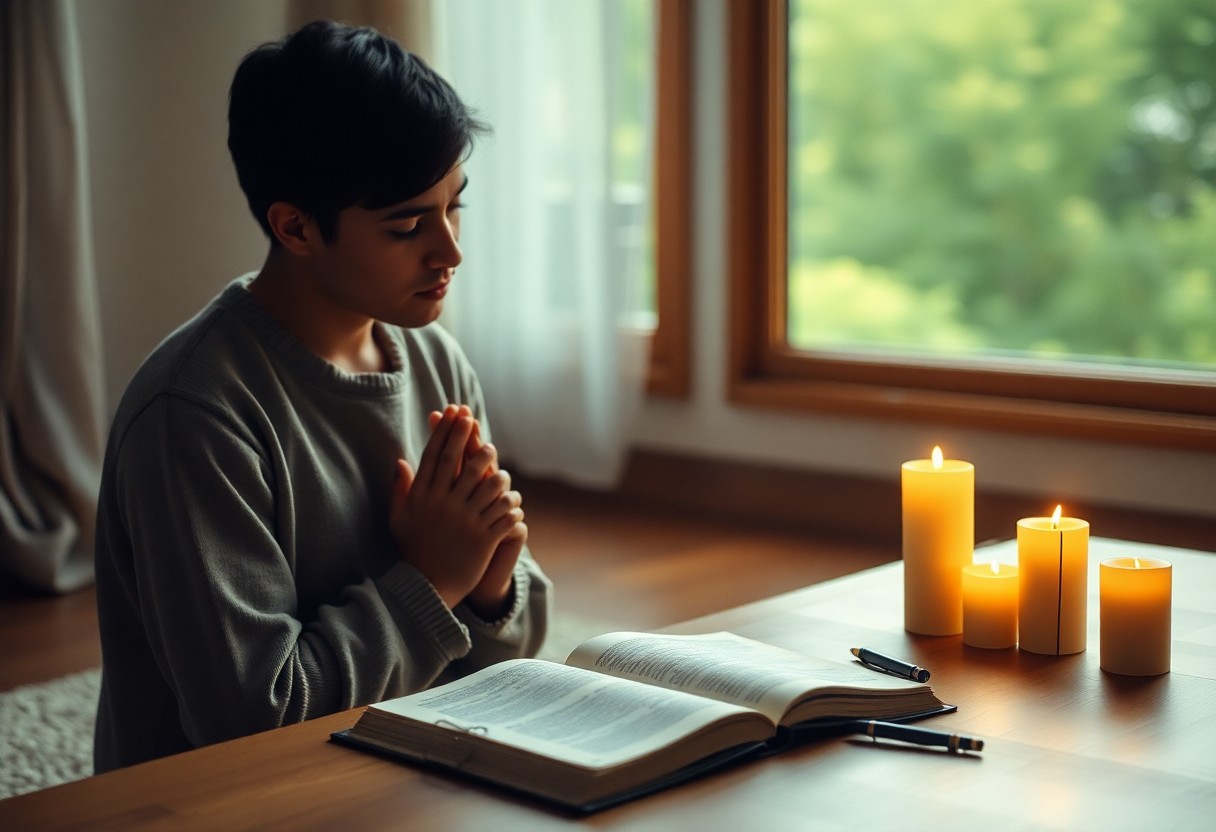
The Power of Prayer – How to Make It More Meaningful

As you initiate on your spiritual journey, you may find that prayer serves as a profound connection to a higher power and your inner self. Yet, to truly harness the transformative potential of prayer, it’s imperative to explore deeper into your intentions and methods. In this post, you will discover practical tips and insights on how to enhance your prayer experience, making it more meaningful and fulfilling in your everyday life.

Key Takeaways:

  • Intentionality: Approach prayer with a clear purpose and focus. Setting intentions can enhance the depth of your communication.
  • Gratitude: Incorporate an attitude of gratitude in your prayers. Acknowledging blessings can foster a deeper connection and appreciation.
  • Silence: Allow moments of silence during prayer. This creates space for reflection and listening, enriching the overall experience.
  • Scripture: Utilize sacred texts to guide your prayers. Engaging with meaningful verses can inspire you and provide context to your conversations.
  • Community: Engage in group prayer or discussions. Sharing experiences with others can amplify the impact and add a communal dimension to your spiritual practice.

Understanding the Nature of Prayer

Before delving into the practice of prayer, it’s necessary to explore its nature and purpose. Prayer serves as a personal dialogue with the divine, facilitating a connection that transcends the everyday experience. You may find that understanding prayer’s multifaceted essence enriches your practice, allowing it to become a more transformative experience that nurtures your spiritual growth.

The Spiritual Significance of Prayer

Across various cultures and religions, prayer embodies a profound spiritual significance, providing solace and a sense of belonging. You might discover that through prayer, you can foster a deeper relationship with the divine, inviting peace and guidance into your life. This sacred communication not only cultivates inner strength but also opens your heart to compassion and understanding.

Different Forms of Prayer

Prayer encompasses diverse forms, each serving unique purposes and resonating with your individual needs. From spontaneous, heartfelt conversations to structured rituals, you have the freedom to explore different approaches that align with your beliefs and experiences. Each style can deepen your connection to the divine while enriching your spiritual journey.

Further, as you explore different forms of prayer, you may encounter petitions, thanksgivings, and contemplative meditations. Each of these methods offers distinct benefits that can enhance your relationship with the divine. For example, petitionary prayers may help you articulate your desires and needs, while gratitude-focused prayers encourage appreciation for your blessings. Contemplative practices can foster deeper awareness and presence. Ultimately, experimenting with these various expressions allows you to discover what resonates most profoundly with your spirit.

The Psychological Benefits of Prayer

Some studies indicate that prayer offers numerous psychological benefits, enhancing mental clarity and fostering emotional resilience. Engaging in prayer can create a meaningful connection to your inner self and to a higher power, promoting a sense of purpose. This practice can also serve as a form of meditation, allowing you to calm your mind and gain perspective in the midst of life’s challenges.

Reducing Anxiety and Stress

For many, prayer acts as a powerful tool for alleviating anxiety and stress. Taking time to pray provides a moment of reflection, which can help you shift focus from daily stressors to a more tranquil state of mind. This intentional pause allows you to cultivate feelings of peace and reassurance, fostering a sense of control amidst uncertainty.

Enhancing Emotional Well-being

To enhance your emotional well-being, prayer can serve as an emotional release, allowing you to express thoughts and feelings that may otherwise go unvoiced. Engaging in this practice regularly helps you cultivate a sense of gratitude, acceptance, and compassion for yourself and others. As you navigate the complexities of life, prayer can help you develop emotional resilience, enabling you to better cope with life’s ups and downs.

Anxiety often triggers a cycle of negative thoughts and feelings, leaving you feeling overwhelmed. By incorporating prayer into your daily routine, you open up a pathway for healing and self-discovery. This intentional practice helps you confront your feelings head-on, fostering a safe space to explore emotions like fear, sadness, or worry. Over time, the act of prayer can build emotional strength, allowing you to approach your life’s challenges with renewed hope and positivity.

Building a Regular Prayer Practice

Despite the busy nature of life, establishing a regular prayer practice can deepen your spiritual journey. You can enhance this experience by taking intentional steps and embracing techniques shared by others. For more insights on how to make prayer more meaningful, consider exploring community discussions and personal stories that inspire commitment and connection.

Setting a Consistent Schedule

Consistent prayer is about creating a rhythm in your day that allows you to connect more deeply. Choose specific times that align with your daily routine, whether it’s early morning, during lunch, or before bedtime. By sticking to a schedule, you’ll cultivate a habit that becomes a source of peace and stability in your life.

Creating a Sacred Space

Before you start your prayer practice, it’s beneficial to designate a specific area that feels peaceful and inviting. This space should be free from distractions and filled with items that inspire you, such as candles, artwork, or cherished quotes. Personalizing this area will help you mentally transition into a state of prayer, making each session feel special and intentional.

At the heart of creating a sacred space is the intention you set for it. Think about the atmosphere you want to cultivate; perhaps soft lighting, calming scents, or personal mementos that remind you of your faith. By nurturing this environment, you’ll find it easier to enter a meditative state, enhancing your prayer experience and making it feel more significant in your spiritual practice.

Making Prayer More Personal

Many people find that personalizing their prayers can deepen their spiritual connection. By infusing your unique experiences and feelings into your conversations with the divine, you create a more authentic and heartfelt practice. This approach can enhance the significance of your prayers, allowing you to reflect on your personal relationship with spirituality more vividly. As you begin to incorporate elements of your own life into your prayers, you may find a renewed sense of purpose and intimacy in your connection with the universe.

Using Personal Language

On your journey to make prayer more personal, use language that resonates with you. Speak as if you are having a conversation with a close friend or confidant. This informal and heartfelt approach can enhance your comfort level, making it easier to express your hopes, fears, and gratitude. When your language is authentic and reflective of your true feelings, your prayers will feel more genuine and impactful.

Incorporating Daily Life into Prayer

Along with using personal language, try to incorporate aspects of your daily life into your prayers. This process allows you to connect your spiritual practice with your everyday experiences, making it feel more relevant and meaningful. Express gratitude for specific moments from your day, seek guidance for challenges you face, or ask for strength in your current endeavors. By aligning your prayers with your daily life, you build a more tangible connection to the divine.

It can be helpful to take a few moments at the end of your day to reflect on your experiences and identify key moments that stand out to you. This reflection will frame your prayers with a focus on gratitude and mindfulness. As you pray about your daily interactions, struggles, and triumphs, you’ll find that your conversations with the divine become richer and more expansive. This practice cultivates a deeper awareness of how spirituality weaves into your everyday life, strengthening your connection on a personal level.

The Role of Community in Prayer

Keep in mind that prayer is often more impactful when shared within a community. Engaging with others deepens your experience, fostering a connection that transcends the individual. To explore The Importance of Prayer and How to Offer Meaningful insights, you’ll find that collective prayer can amplify your intentions and enrich your spiritual journey.

Group Prayer Benefits

Around a group, prayer can create a unique bond among participants, enhancing the collective energy and intention. Sharing prayers fosters support, empathy, and stronger spiritual connections. Your prayers can become a source of encouragement, allowing you to celebrate shared joys and find solace in difficult times together.

Finding a Prayer Partner

At some point, you may find it beneficial to have a dedicated prayer partner. This connection not only adds depth to your prayer life but also provides accountability and motivation. Sharing your thoughts and intentions can cultivate a richer and more meaningful experience, enhancing both your individual and communal prayers.

Group prayer can be a transformative experience, especially when you form a bond with a prayer partner. This partnership allows you to share your thoughts, ideas, and spiritual goals in a safe environment, fostering trust and openness. Engaging in regular prayer together can bolster your faith and ensure that your spiritual practices remain a priority amidst life’s distractions. By leaning on each other for support, you’ll find that your prayer journey becomes even more enriching and powerful.

Overcoming Common Barriers to Prayer

Unlike what many believe, the journey of prayer can be hindered by various barriers that make it difficult to connect authentically. Whether it’s a chaotic lifestyle, internal doubts, or external distractions, recognizing these obstacles is the first step toward enriching your prayer practice. By addressing these challenges head-on, you can cultivate a more meaningful spiritual experience that fosters a deeper connection with your faith.

Addressing Doubts and Distractions

Addressing your doubts and distractions is key to enhancing your prayer life. It’s natural to question the effectiveness of prayer or to be distracted by the busyness of daily life. Acknowledging these feelings allows you to explore their root causes. You can create a focused space for prayer by setting aside specific times and environments where you feel at ease. Over time, as you establish a routine, these challenges will become easier to navigate.

Cultivating Patience and Persistence

Patience is vital in your prayer journey, as meaningful connections often take time to develop. Consistently showing up and engaging in prayer, even when you feel it is difficult or unproductive, can lead to personal growth and a deeper understanding of your faith. Overcoming initial frustrations requires dedication and a willingness to embrace the process.

Barriers can often make you feel as though progress is stagnating, but it’s important to understand that spiritual growth does not always follow a linear path. Embrace the concept that persistence in prayer, even during challenging periods, solidifies your relationship with your spirituality. Your commitment to maintaining regular conversations through prayer, regardless of how it feels at the moment, lays the groundwork for meaningful experiences and revelations that may unfold over time.

Summing up

From above, you can harness the power of prayer to enrich your spiritual life. By cultivating mindfulness, incorporating personal intentions, and utilizing scripture, you transform your prayers into meaningful conversations. Consistency is key; establish a routine that resonates with you, allowing you to connect deeper with your beliefs. Reflect on your experiences and the impact of prayer in your life, as this can lead to a more profound and enriching connection with the divine. Ultimately, making your prayers more meaningful can enhance your overall sense of peace and purpose.

Q: How can I deepen my prayer experience to make it more meaningful?

A: To deepen your prayer experience, consider setting aside a specific time each day dedicated to prayer. This routine can create a sacred space for communication with the divine. Additionally, try incorporating different forms of prayer, such as gratitude, intercession, and meditation. Journaling your thoughts and feelings during prayer can also help you reflect and connect more profoundly. Incorporating silence or contemplative moments allows for deeper introspection and heightened awareness of your divine presence.

Q: What role does intention play in making prayer more impactful?

A: Intention plays a significant role in enhancing the impact of your prayer. When you approach prayer with a clear and sincere intention, it can transform your experience from a routine activity to a genuine conversation with the divine. Start by focusing on what you truly seek or wish to express during your prayer. Setting intentions can also be helpful; for example, you might want to seek guidance, express gratitude, or ask for healing for yourself or others. The clarity of your intention can help you stay focused and resonate more deeply with your prayers.

Q: How can community enhance my prayer life?

A: Engaging with a community can greatly enhance your prayer life. Participating in group prayers or prayer circles can foster a sense of belonging and support that enriches individual experiences. Sharing your prayers with others can also provide opportunities for mutual encouragement, as well as a chance to witness diverse perspectives on prayer. Additionally, communal prayer can amplify the energy and intention behind the prayers, creating a powerful and united spiritual atmosphere. Don’t hesitate to join or start a prayer group within your community or local place of worship.

How to Overcome Spiritual Fear and Embrace Your Power

Most individuals struggle with spiritual fear at some point, feeling hindered by doubts and anxieties that prevent them from fully embracing their inner strength. Understanding how to confront and transform these fears is imperative for your personal growth and spiritual journey. In this blog post, you’ll discover effective strategies to help you navigate through these emotions, enabling you to reclaim your power and live a more fulfilled life. Let’s explore the steps you can take to overcome spiritual fear and unlock your true potential.

Key Takeaways:

  • Identify your spiritual fears: Recognize the specific fears that hold you back from embracing your true potential.
  • Practice mindfulness: Engage in meditation or breathing exercises to center yourself and build resilience against fear.
  • Cultivate self-awareness: Reflect on your thoughts and feelings to understand the roots of your fears and challenge limiting beliefs.
  • Surround yourself with positive influences: Connect with supportive communities or individuals who uplift and inspire you on your spiritual journey.
  • Select empowerment: Focus on affirmations and visualizations that reinforce your strength and capability to overcome any fear.

Understanding Spiritual Fear

For many, spiritual fear manifests as a deep-seated anxiety about the unknown, often stemming from beliefs about the universe, existence, or personal purpose. It can create barriers to spiritual growth and prevent you from fully embracing your inner potential. By understanding the roots of this fear, you can begin to dismantle its hold on your life and pave the way for a more empowered existence.

Defining Spiritual Fear

Behind the concept of spiritual fear lies a mixture of fears related to the soul, the afterlife, and the search for meaning. This fear often results from uncertainty, past trauma, or societal conditioning, creating a sense of vulnerability regarding spiritual matters. Understanding this fear is the first step toward transforming it into empowerment.

The Impact of Spiritual Fear on Life

Defining how spiritual fear influences your life is necessary for personal growth. It can lead to avoidance of spiritual practices, foster feelings of inadequacy, and create inner turmoil that hinders your ability to connect with your true self.

Consequently, the pervasive nature of spiritual fear can leave you feeling disconnected, anxious, and unsure about your path. It might hinder your relationships, erode your self-confidence, and prevent you from embracing opportunities for personal development. Acknowledging and addressing this fear allows you to reclaim your power, fostering a healthier and more fulfilling spiritual journey. Embracing this process can lead to profound transformation, allowing you to live with greater authenticity and purpose.

Identifying the Root Causes

Some of the most profound spiritual fears stem from deep-rooted beliefs and patterns that you may not even be aware of. It’s vital to explore these underlying issues to effectively address and transform them. You can start by examining your thoughts and emotions surrounding fear. For additional insights, check out Fear: The Onset of Power, which explores into how fear can disconnect you from your personal empowerment.

Personal Experiences and Beliefs

Before you can overcome your spiritual fear, you need to reflect on your personal experiences and beliefs that shape your reactions to fear. Consider moments in your life that have instilled doubt or uncertainty in your abilities. By identifying these experiences, you open the door to understanding how they’ve influenced your current state of fear.

Cultural Influences and Societal Norms

At times, cultural influences and societal norms can significantly shape the fears you experience. These external pressures often dictate what is deemed acceptable, causing you to suppress your personal power and authenticity in the process.

Societal conditioning can instill beliefs that limit you, making you fearful of stepping out of line or expressing your true self. By recognizing these cultural influences, you can begin to challenge and dismantle the fears that stem from societal expectations, allowing you to embrace your authentic power without fear of judgment or rejection.

Techniques to Overcome Fear

Once again, understanding the methods to confront your spiritual fears is necessary. Techniques such as exposure therapy, cognitive restructuring, and practicing gratitude can help transform your relationship with fear. You can dive deeper into these strategies through resources like this insightful interview on Overcoming Fear. Embracing these practices empowers you to cultivate resilience and reclaim your inner strength.

Mindfulness and Meditation Practices

Along with gratitude, integrating mindfulness and meditation into your daily routine can significantly diminish fear’s grip on your life. By focusing on your breath and staying present, you cultivate awareness and clarity. Engaging in mindfulness fosters a deeper connection to your inner self, allowing you to observe your fears without judgment and gradually release them.

Affirmations and Positive Visualization

Positive affirmations and visualization techniques serve as powerful tools in overcoming fear. By consistently affirming your strength and capabilities, you reinforce a positive mindset that dispels negativity. Visualizing desired outcomes creates a sense of confidence and empowerment, paving the way for spiritual growth.

Plus, incorporating specific affirmations such as “I am strong enough to face my fears” or “I embrace my power” helps rewire your subconscious mind. Visualization enhances this process; envision yourself navigating challenges with grace and courage, which transforms your perception of fear into an opportunity for personal growth. By making these practices a routine, you cultivate a resilient and empowered spirit capable of thriving despite fear.

Embracing Personal Power

To embrace your personal power, you must first acknowledge that you hold immense potential within you. This journey involves connecting with your authentic self, understanding your values, and recognizing the beliefs that shape your reality. As you investigate deeper into self-discovery, you can channel your inner strength to create a life that resonates with your true essence. Embracing your power means stepping out of your comfort zone and allowing your unique attributes to shine.

Recognizing Your Inner Strength

Recognizing your inner strength is the foundation for embracing your power. You possess qualities that define your character and resilience, which can always be cultivated and expanded. Take time to reflect on past experiences that have showcased your strength, as this awareness creates a solid base for growth. Acknowledging your capabilities enables you to confront fears and tap into your potential.

Building Confidence Through Action

About building confidence through action, it is imperative to understand that taking initiative leads to empowerment. Engaging in activities that challenge you fosters a sense of accomplishment and propels you forward. Each small step you take counts, reinforcing your belief in yourself and your abilities. This process not only helps you overcome fear but also enhances your self-esteem, making you more equipped to seize opportunities.

Action creates momentum in your journey toward confidence. By setting achievable goals and pushing through initial discomfort, you begin to see progress that reinforces your sense of purpose. Whether it’s participating in a class, volunteering, or taking on a new project, actively engaging in experiences builds your skill set and enhances your mental fortitude. With every action, you dismantle the barriers of fear, allowing your authentic self to flourish and embrace the greatness within you.

The Role of Community and Support

All individuals seeking to overcome spiritual fear benefit immensely from community and support systems. Surrounding yourself with compassionate, understanding people can provide encouragement, shared experiences, and collective strength. Engaging with a supportive group fosters a safe environment where you can express your fears, gain insights, and cultivate resilience together. Making connections with others on similar journeys can enhance your spiritual growth and empower you to embrace your true potential.

Finding Like-minded Individuals

Any journey toward spiritual empowerment is enriched by connecting with like-minded individuals who share your aspirations and values. Seek out communities, online forums, or local groups that resonate with your spiritual beliefs. You’ll find that these connections provide not only support but also new perspectives that can help you navigate your spiritual path more effectively.

Seeking Guidance from Spiritual Leaders

Across various traditions, spiritual leaders hold a wealth of knowledge and experience that can guide you through your spiritual fears. Engaging with these leaders allows you to access insights that are both transformative and enlightening, providing reassurance as you confront your deepest anxieties.

In fact, seeking guidance from spiritual leaders can serve as a catalyst for your personal growth. Whether through one-on-one consultations, workshops, or teachings, these leaders can impart wisdom that helps you reframe your fears and see them as opportunities for growth. They can offer practical tools and techniques, as well as community resources, allowing you to deepen your understanding of your spiritual journey while instilling confidence in your abilities. Surrounding yourself with such guidance can profoundly impact your path to embracing your power.

Cultivating a Spiritual Practice

Not only is cultivating a spiritual practice crucial for overcoming spiritual fear, but it also allows you to tap into your innate power. Establishing a consistent routine helps you align your energy with your higher self, paving the way for transformation and growth. Dedicate time each day to nurture your spirit through meditation, prayer, or journaling, creating a sanctuary where you can explore your inner world without distraction.

Daily Habits for Empowerment

Before exploring into a spiritual practice, it’s important to develop daily habits that empower your mind and spirit. Start small by incorporating moments of mindfulness throughout your day. This can include brief breathing exercises or affirmations that reinforce your purpose and strength. As these habits take root, you’ll cultivate a greater sense of awareness and confidence in your spiritual journey.

Nurturing Your Connection to the Divine

About nurturing your connection to the divine, establishing rituals can greatly enhance your spiritual practice. By creating sacred spaces in your home, lighting candles, or using crystals, you invite a sense of reverence into your daily life. Engaging with nature, whether through walks in the park or simply observing the sky, can also deepen this connection. The more you cultivate these practices, the more attuned you will become to the divine guidance that surrounds you.

In addition, seeking out community and support can also strengthen your connection. Join spiritual groups, attend workshops, or simply share your journey with like-minded individuals. Engaging in meaningful conversations about spirituality not only affirms your own beliefs but also allows you to gain new insights and perspectives. By fostering this environment of support and exploration, you amplify your connection to the divine and empower yourself on your spiritual path.

Final Words

So, to overcome spiritual fear and embrace your power, you must first recognize these fears as part of your growth journey. By practicing mindfulness, seeking guidance, and confronting your doubts, you pave the way to a more empowered self. Engaging in reflective practices, such as journaling or meditation, allows you to connect with your inner strength. Embrace the lessons these fears offer and transform them into motivation. Ultimately, you hold the key to unlocking your potential; trust in your abilities, and watch your life flourish.

FAQ

Q: What are some common signs of spiritual fear and how can I identify them?

A: Spiritual fear often manifests as feelings of anxiety, doubt, or insecurity related to your beliefs and personal power. You might notice physical symptoms like a racing heart or unease in social situations where your values are challenged. Other signs include avoidance of spiritual practices, excessive questioning of your beliefs, or feeling overwhelmed by the expectations of others. To identify these fears, take time for self-reflection and assess your emotions when engaging in spiritual activities or discussions. Journaling about your thoughts and feelings can also help bring clarity and understanding to your experiences.

Q: What practical steps can I take to overcome spiritual fear?

A: Overcoming spiritual fear involves several practical steps. Start by creating a safe and sacred space for yourself, whether that’s through meditation, prayer, or personal rituals that resonate with you. Educate yourself about your spirituality by reading books, attending workshops, or engaging in discussions with like-minded individuals to deepen your understanding. Challenge negative thoughts by confronting them with positive affirmations and visualizations. Gradually push your boundaries by participating in spiritual practices that may feel uncomfortable, allowing you to build confidence over time. Finally, consider seeking guidance from mentors or spiritual coaches who can provide support and perspective.

Q: How can embracing my power aid in reducing spiritual fear?

A: Embracing your personal power is an empowering way to diminish spiritual fear. When you recognize and accept your inherent strengths and capabilities, you build resilience against self-doubt and negative perceptions. Start by acknowledging your unique experiences and gifts, and focus on affirming them regularly. Engage in self-care practices that nurture your mind, body, and spirit, helping you to cultivate a sense of grounding. Additionally, setting intentions and creating actionable goals related to your spiritual journey can instill a sense of purpose. As you take ownership of your power, you’ll find that fear diminishes, allowing you to confidently explore your spiritual path.

Skip to content