Meditation

The Power of Meditation – Connecting with Your Higher Self

It’s often said that true insights and profound understanding lie within you, waiting to be discovered. Through meditation, you have the unique opportunity to connect with your higher self, tapping into a wellspring of wisdom and clarity. This practice not only helps to quiet the noise of daily life but also fosters a deeper sense of self-awareness and purpose. Join us as we explore the transformative effects of meditation and how it can strengthen your connection to your inner self, leading to a more fulfilled and balanced life.

Key Takeaways:

  • Self-Discovery: Meditation aids in exploring your inner thoughts, leading to greater self-awareness and understanding of your true nature.
  • Inner Peace: Regular practice fosters a sense of calm and tranquility, helping to manage stress and anxiety effectively.
  • Connection: Meditation facilitates a deeper connection with your higher self, promoting clarity in life’s purpose and direction.
  • Emotional Balance: Through meditation, individuals can cultivate emotional resilience, enhancing their ability to navigate life’s challenges.
  • Spiritual Growth: The process encourages personal evolution and spiritual awakening, encouraging a more profound engagement with the universe.

Understanding Meditation

The practice of meditation is a deeply enriching journey that allows you to explore the depths of your own consciousness. By engaging in various techniques, you can achieve a heightened state of awareness, reduce stress, and connect with your higher self. Meditation provides you with the tools to cultivate inner peace and clarity, ultimately leading to a more fulfilling life.

Historical Context

Any discussion of meditation must acknowledge its ancient roots, tracing back thousands of years to various spiritual traditions around the world. Civilizations such as the Indus Valley and ancient China embraced meditation for spiritual development and self-awareness. This timeless practice evolved across cultures, integrating philosophies that reflect the pursuit of inner harmony.

Modern Practices

Against the backdrop of its rich history, modern practices have emerged that adapt traditional techniques to contemporary lifestyles. You may encounter various forms of meditation, including mindfulness, guided visualization, and transcendental meditation, each offering unique benefits that cater to personal preferences and needs.

Plus, today’s meditation landscape includes apps, online workshops, and community groups that make it more accessible than ever. As you explore these modern techniques, you may find that they beautifully blend age-old wisdom with modern convenience, allowing you to integrate meditation seamlessly into your daily routine. Engaging in these practices not only enhances your personal growth but also fosters a community of like-minded individuals who support each other on their spiritual journeys.

The Concept of the Higher Self

Some view the Higher Self as an inner guide or spiritual essence that transcends the everyday self. By exploring your connection to this profound aspect of your being, you can unlock deeper insights and clarity in your life. Discover 4 Amazing Things That Happen When You Connect With Your Higher Self to enhance your meditation practice.

Definition and Significance

Around the world, the concept of the Higher Self is recognized as the true essence of who you are, separate from societal conditioning and limitations. This deeper self embodies wisdom and unconditional love, guiding you toward personal growth and fulfillment. Understanding this significance can help you navigate life’s challenges more effectively.

Cultivating Awareness

Along your journey, cultivating awareness of your Higher Self is necessary for enriching your meditation experience. It allows you to discern between your ego-driven thoughts and your authentic inner voice.

Self-awareness involves tuning into your feelings and thoughts while being present in the moment. As you deepen your meditation practice, you become more attuned to the subtle whispers of your Higher Self, enabling you to make more informed life choices. By consciously developing this awareness, you empower yourself to break free from limiting beliefs and foster a more authentic life aligned with your true purpose.

Techniques for Connecting with Your Higher Self

After exploring the profound impact of meditation, you can use various techniques to effectively connect with your higher self. Each practice offers a unique approach, allowing you to enhance your spiritual journey. By incorporating mindfulness meditation and guided visualization into your routine, you can deepen your understanding and align with your higher self more effectively.

Mindfulness Meditation

With mindfulness meditation, you cultivate awareness of the present moment. This practice encourages you to observe your thoughts without judgment, promoting a sense of inner peace. As you focus on your breath, you create a space to connect with your inner self, fostering a deeper awareness of your thoughts and emotions.

Guided Visualization

Meditation can also take the form of guided visualization, where you engage in a mental journey designed to foster a connection with your higher self. By using imagery and specific scenarios, this technique allows you to access deeper states of awareness.

Visualization helps you create a mental image of your ideal self or a peaceful environment that resonates with your spirit. As you immerse yourself in this vision, you invite clarity and insight into your life. This technique can significantly enhance your intuitive capabilities, allowing you to receive guidance and wisdom from your higher self more readily.

The Benefits of Meditation on Personal Growth

Despite the challenges you may face, meditation can profoundly impact your personal growth. It cultivates self-awareness and clarity, opening pathways to understanding your true self. Through consistent practice, you can nurture qualities like patience and resilience. By learning to connect with your higher self, as detailed in this How To Connect With Your Higher Self guide, you’ll unlock your potential for change and transformation.

Emotional Well-Being

Against life’s inevitable ups and downs, meditation serves as a sanctuary for your emotional well-being. By fostering a deeper connection with yourself, you learn to manage stress and anxiety more effectively. This inner calm allows you to approach emotional challenges with greater resilience, helping you respond rather than react.

Enhanced Intuition

Benefits of meditation extend beyond emotional stability to include enhanced intuition. By quieting your mind, you create space for deeper insights and gut feelings to emerge, guiding you in making more informed decisions.

And as you immerse yourself in meditation, you become increasingly attuned to your intuitive voice, allowing you to trust your instincts more. This heightened sense of awareness enhances your ability to navigate life’s challenges and opportunities with confidence. Over time, you’ll find that your intuition becomes a valuable ally in your journey of personal growth.

Overcoming Challenges in Meditation

To find stillness and connection with your higher self, you may face various challenges during meditation. Acknowledging these obstacles is the first step to overcoming them. Whether it’s a restless mind, physical discomfort, or time constraints, understanding your unique challenges will empower you to cultivate a consistent practice. Don’t be discouraged; each hurdle can be a pathway to deeper insight and growth.

Common Obstacles

An array of distractions can hinder your meditation journey. You may struggle with racing thoughts, finding a quiet space, or dealing with emotional turbulence. Identifying these common obstacles is imperative in navigating the meditation landscape. With each session, you can learn and adapt, allowing your practice to evolve.

Tips for Consistency

After identifying your obstacles, establishing a routine can greatly enhance your meditation practice. Consistency is key, and here are some tips to help you:

  • Set a regular time for meditation each day.
  • Create a dedicated, peaceful space for your practice.
  • Start with short sessions, gradually increasing the duration.
  • Utilize guided meditations to stay focused.
  • Be patient with yourself, embracing the journey.

Perceiving consistency as a beneficial habit will foster a deeper connection with your higher self.

In fact, developing a consistent meditation practice allows you to deepen your understanding and strengthen your mental discipline. When you make meditation a non-negotiable part of your daily routine, it transforms into an integral aspect of your life. To reinforce your commitment, consider:

  • Tracking your meditation sessions in a journal.
  • Setting realistic goals specific to your practice.
  • Joining a meditation group or community for support.
  • Listening to your own needs and adjusting your approach as needed.
  • Celebrating your progress, no matter how small.

Perceiving meditation as a journey, rather than a destination, can significantly enhance your experience.
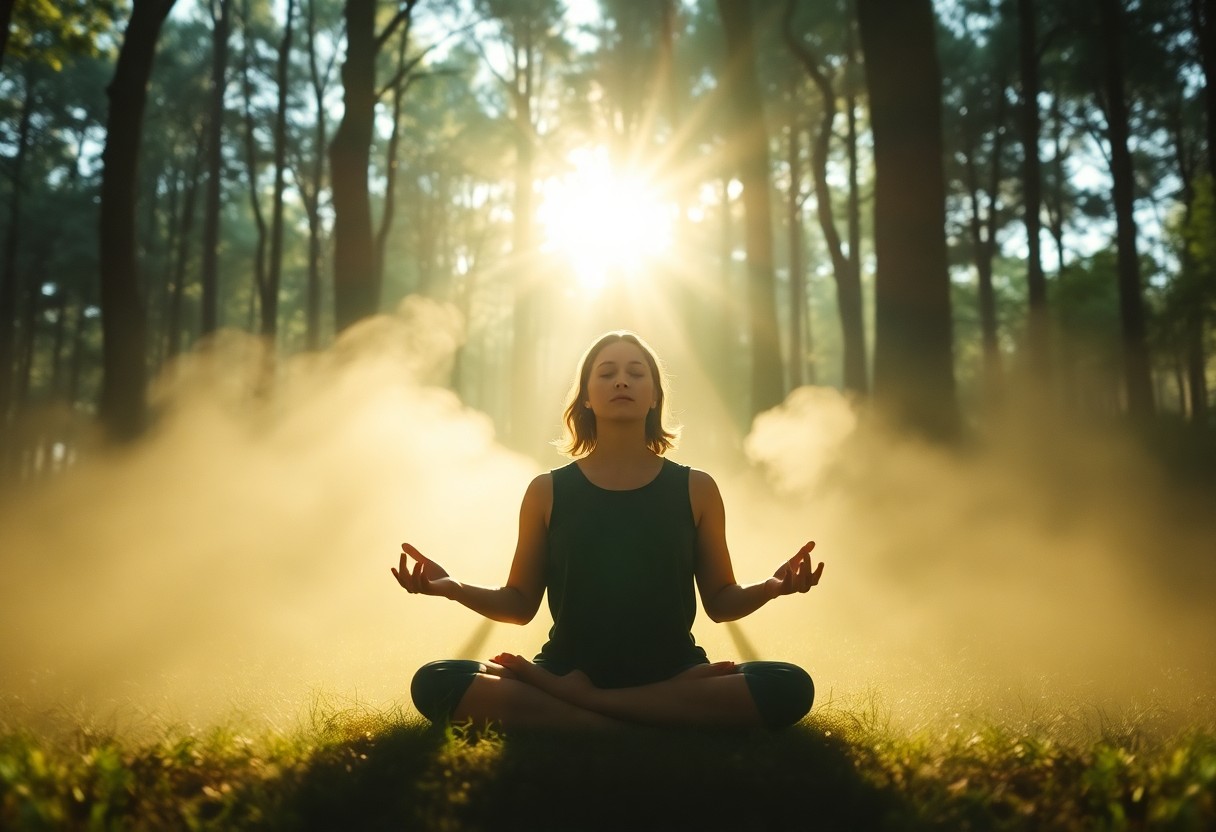
Integrating Meditation into Daily Life

For many, the challenge lies in incorporating meditation into your everyday routine. By intentionally setting aside time each day, you can deepen your practice and yield its transformative benefits. Start with just a few minutes a day and gradually increase the duration as you become more comfortable. This intentional integration allows you to harness the power of meditation not just during practice, but throughout your entire day, enriching your experiences and promoting a sense of calm and clarity.

Creating a Routine

Creating a consistent meditation routine is key to fostering a transformative practice. Choose a specific time and space where you feel comfortable and undisturbed. This could be in the morning to set your intentions for the day or in the evening as a way to unwind. Consistency will help reinforce the habit, making it an integral part of your life. As you establish your routine, be patient with yourself and allow the practice to evolve naturally.

Tools and Resources

Below are several tools and resources that can enhance your meditation experience. From guided meditation apps to books on mindfulness, many resources are available to help you cultivate a deeper connection with your practice. Explore various types of meditative techniques, such as breath awareness, visualization, or loving-kindness meditation, to find what resonates best with you.

Another helpful resource is meditation apps that offer guided sessions tailored to different experience levels and durations. These platforms typically provide a variety of themes, such as stress relief, focus, or self-discovery, which can deepen your meditation practice. Additionally, consider joining a local meditation group or enrolling in online courses to connect with a community of like-minded individuals. The key is to explore and discover what aligns best with your personal journey.

Final Words

Conclusively, engaging in meditation allows you to connect deeply with your higher self, unlocking inner wisdom and fostering personal growth. Through consistent practice, you can cultivate mindfulness, enhance emotional balance, and foster a greater sense of purpose in your life. By dedicating time to this transformative practice, you empower yourself to navigate life’s challenges with clarity and resilience. Embrace meditation as your ally in the journey toward self-discovery and enlightenment, reaffirming your innate potential and cultivating harmony within.

FAQ

Q: What is the significance of connecting with your higher self through meditation?

A: Connecting with your higher self through meditation allows individuals to tap into their inner wisdom and guidance. This process can lead to greater clarity in decision-making, a deeper understanding of personal values, and enhanced self-awareness. By creating a space for introspection, meditation helps individuals align with their true purpose and fosters a sense of peace, balance, and fulfillment in their lives.

Q: How can beginners start meditating to connect with their higher self?

A: Beginners can start by finding a quiet and comfortable space where they can sit or lie down without distractions. It’s helpful to begin with short meditation sessions, such as 5 to 10 minutes, gradually increasing the duration as they become more comfortable. They can focus on their breath, visualization techniques, or even guided meditations that specifically encourage connection with the higher self. Consistency is key, so engaging in meditation regularly can enhance the ability to connect with one’s inner self over time.

Q: What are some common challenges faced during meditation, and how can they be overcome?

A: Common challenges during meditation include a wandering mind, difficulty in maintaining focus, and physical discomfort. To overcome a wandering mind, individuals can gently redirect their attention back to their breath or mantra without judgment. Incorporating mindfulness practices can also help improve focus. For physical discomfort, adjusting posture or using supportive cushions can make the experience more comfortable. Patience and self-compassion are necessary, as it may take time to develop a consistent meditation practice that yields deeper connections with the higher self.
How to Practice Loving-Kindness Meditation

There’s a profound way to enhance your mental well-being and foster compassion through Loving-Kindness Meditation (also known as Metta). This practice encourages you to cultivate feelings of love and kindness towards yourself and others, creating a ripple effect of positivity in your life. In this guide, you’ll learn the steps and techniques to effectively engage in this meditation, helping you to develop empathy, reduce negativity, and improve your overall emotional health. Embrace the journey of opening your heart and transforming your mindset as you explore this ancient practice.

Key Takeaways:

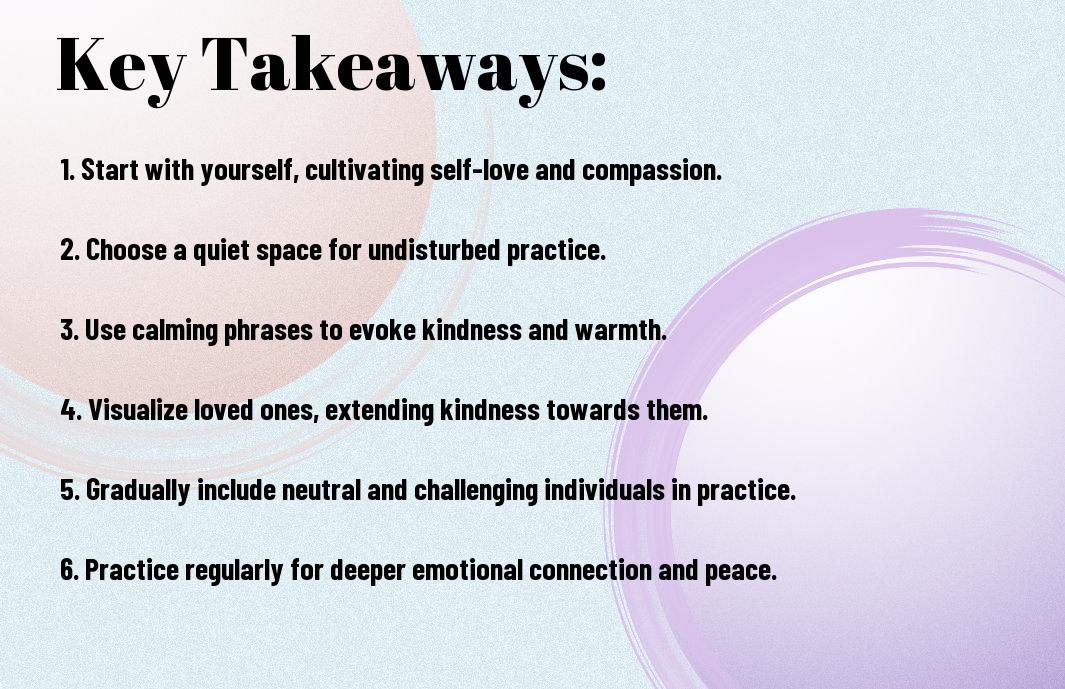
  • Find a quiet space to sit comfortably, allowing you to focus without distractions during the meditation session.
  • Start with yourself by cultivating feelings of love and kindness towards yourself before extending them to others.
  • Use phrases or affirmations that resonate with you, such as “May I be happy, may I be healthy, may I be safe,” to reinforce your intentions.
  • Gradually extend compassion to loved ones, acquaintances, and even those with whom you have conflict, fostering a sense of connection.
  • Practice consistently to deepen your ability to cultivate loving-kindness; even a few minutes daily can make a significant difference.

Understanding Loving-Kindness Meditation

For those seeking a gentle approach to cultivating compassion, understanding Loving-Kindness Meditation is imperative. This practice invites you to develop an attitude of love and kindness towards yourself and others, fostering deep emotional connections and enhancing your overall well-being. By engaging in this meditation, you can learn to embrace positivity and reduce feelings of resentment, leading to a more fulfilling life.

Definition and Purpose

For many, Loving-Kindness Meditation, also known as Metta meditation, serves as a pathway to connect with compassion. The purpose of this practice is to cultivate an open heart towards yourself and others, promoting feelings of love and acceptance while decreasing negative emotions such as anger and anxiety.

History and Origins

Definition: Loving-Kindness Meditation originates from ancient Buddhist traditions, where it is considered one of the imperative practices for developing compassion and goodwill. This meditation approach has been practiced for centuries, emphasizing the importance of loving oneself before extending that love to others.

In fact, the roots of Loving-Kindness Meditation can be traced back over 2,500 years to the teachings of the Buddha. It was designed to counteract unwholesome thoughts and help practitioners cultivate an expansive sense of love and kindness. The practice has since transcended its Buddhist origins, gaining popularity in various spiritual and psychological contexts, particularly for those seeking personal growth and emotional healing.

Preparing for Loving-Kindness Meditation

One key aspect of loving-kindness meditation is preparation. Start by familiarizing yourself with the concept by reading resources like Loving-kindness meditation: what it is, how to practice and …. Set aside time for your practice, ideally in a quiet, comfortable place where you won’t be disturbed. This foundation will help you cultivate an open heart and focus on your intentions during meditation.

Setting Your Intentions

To pave the way for a meaningful practice, it’s beneficial to set your intentions clearly. Consider what feelings or qualities of love and kindness you want to cultivate within yourself and towards others. This conscious decision can enhance your mindfulness and connection during meditation.

Creating a Comfortable Space

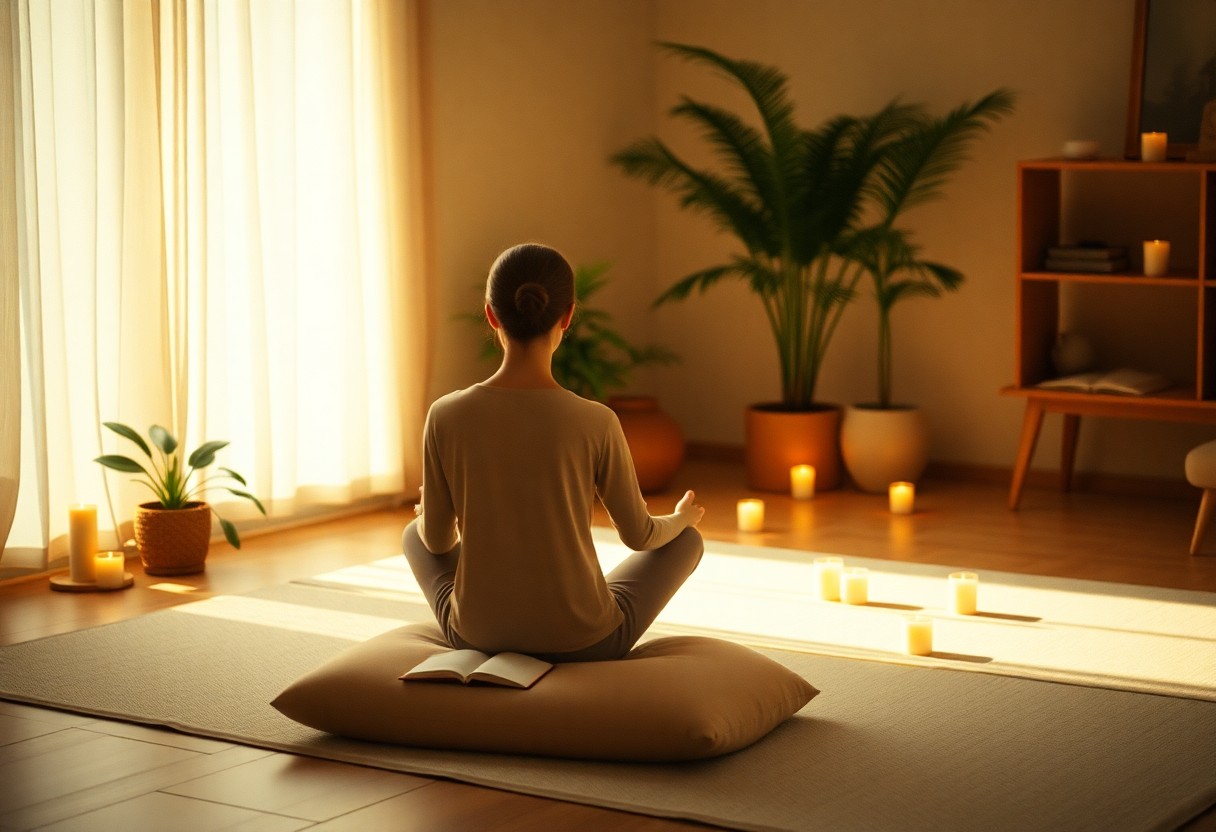
Preparing a comfortable space is vital for an effective loving-kindness meditation practice. Choose a quiet area where you feel at ease, free from distractions. You might want to use cushions, blankets, or a comfortable chair, and consider dimming the lights or adding calming scents like vital oils to enhance relaxation.

The right environment can significantly influence your meditation experience. Soft lighting and minimal clutter can help create a peaceful atmosphere. You may even play gentle background music or nature sounds if that helps you feel more grounded. Tailoring the space to your preferences allows you to immerse yourself fully in loving-kindness meditation, leading to a deeper connection with your practice.

The Loving-Kindness Meditation Practice

Now that you understand the fundamentals, it’s time to embrace the loving-kindness meditation practice. This technique encourages you to cultivate an attitude of love and compassion for yourself and others. Through this process, you can foster emotional well-being and create a deeper connection with those around you, ultimately leading to a more fulfilling and peaceful life.

Basic Steps to Follow

Against distractions, find a quiet space where you can sit comfortably. Begin by closing your eyes and focusing on your breath, allowing yourself to settle. Gradually shift your focus to cultivating feelings of love and kindness, first towards yourself before extending it to loved ones, acquaintances, and even those with whom you have difficulties. This gradual approach enhances the depth of your intentions.

Guided Verses for the Practice

Steps in this meditation often involve repeating verses that encapsulate your intentions. These phrases serve as a guide to harness your feelings of compassion and love. They can be as simple as wishing for peace, happiness, or good health for yourself and others, creating a powerful emotional release and connection.

Understanding the verses is a fundamental part of the practice. They allow you to channel positive emotions effectively, helping you internalize your intentions. You can personalize these verses or use traditional ones, such as “May I be happy” or “May you be safe.” The repetition of these phrases enables you to foster an authentic sense of connection with yourself and those around you, reinforcing your commitment to cultivating loving-kindness in everyday life.

Overcoming Challenges in Practice

Not every meditation session will be smooth, and you may encounter obstacles like distractions or resistance. Acknowledging these challenges is key to deepening your practice. By recognizing that difficulties are a natural part of the journey, you can transform them into opportunities for growth. Embrace your experiences, and with time, you’ll find it easier to cultivate an attitude of loving-kindness, both on and off the cushion.

Dealing with Distractions

To navigate distractions during your practice, create a calm environment that minimizes interruptions. You can try using headphones or soft ambient music to help you focus. When thoughts about your day or random distractions arise, gently acknowledge them and bring your attention back to your breath or loving-kindness phrases. This gentle redirection is a skill that develops with consistent practice, allowing you to remain anchored in the present moment.

Addressing Feelings of Resistance

At times, you might experience emotional resistance that makes meditation feel challenging or unappealing. This can stem from fear, discomfort, or even a perceived lack of time. Acknowledge these feelings without judgment; they are a normal part of the process. Allow yourself the space to explore what lies beneath the resistance, which may provide valuable insights into your emotional landscape.

Due to the nature of loving-kindness meditation, you may find certain emotions surfacing that you’re not sure how to handle. These feelings can evoke vulnerability, and it’s important to approach them with a compassionate mind. Utilize this resistance as a point of reflection; examine why it arises and what it might be teaching you about yourself. Through this process, you develop greater self-awareness, ultimately deepening your ability to practice loving-kindness toward yourself and others.

Integrating Loving-Kindness into Daily Life

Despite its benefits, integrating loving-kindness meditation into your daily life requires conscious effort. Start by setting aside a few minutes each day for dedicated practice, but also find opportunities throughout your routine to express love and kindness to yourself and others. Simple actions, such as offering a smile, a compliment, or a kind thought, can significantly amplify your loving-kindness practice and foster a more compassionate outlook, enriching both your life and the lives of those around you.

Extending Love to Others

On your journey of practicing loving-kindness, it’s necessary to extend love to others. Begin by visualizing someone you care for and silently wishing them well. As you grow more comfortable, include acquaintances and even those with whom you have conflicts. This practice opens your heart, strengthens relationships, and nurtures a sense of community, ultimately enhancing your social connections.

Self-Love and Compassion

Compassion for yourself is a fundamental element of loving-kindness meditation. Often, we are our own harshest critics, so cultivating self-love allows you to counter negative self-talk and embrace your flaws. Acknowledge your feelings and treat yourself with the same kindness you offer others. This shift in perspective helps you develop resilience and fosters a nurturing inner dialogue that promotes emotional well-being.

Extending love and compassion towards yourself involves daily affirmations and conscious self-care practices. Acknowledge your achievements, no matter how small, and embrace the notion that you are deserving of love and kindness. Regularly take time to check in with your feelings, allowing yourself to feel and process emotions without judgment. Over time, fostering self-love transforms not just your inner world but also your interactions with others, leading to healthier and more fulfilling relationships.

Benefits of Loving-Kindness Meditation

All of us seek happiness and peace in our lives, and practicing loving-kindness meditation offers numerous benefits to help you achieve this. Regular engagement in this meditation can lead to increased emotional resilience, enhanced relationships, and a greater sense of purpose. You may find that by cultivating love and compassion for yourself and others, you become more aware of positive emotions, leading to a more fulfilling and meaningful life.

Emotional Well-Being

Above all, loving-kindness meditation significantly elevates your emotional well-being. By encouraging positive thoughts and feelings towards yourself and others, you can reduce negative emotions such as anger, fear, and anxiety. As a result, you may start experiencing a profound sense of inner peace, gratitude, and joy, contributing to an overall boost in your mental health.

Impact on Relationships

Meditation practice can profoundly impact your relationships, enhancing the way you connect with others. When you cultivate loving-kindness, you naturally develop empathy and understanding, making it easier to relate to those around you. This shift in perspective fosters healthier, more supportive interactions and deeper emotional connections with friends, family, and colleagues.

In fact, as you practice loving-kindness meditation, you may notice your ability to forgive and accept others improves, reducing conflicts and misunderstandings. This not only strengthens your existing relationships but also attracts positive and compassionate individuals into your life. Ultimately, the love and kindness you nurture within yourself radiate outward, creating a more harmonious environment for everyone around you.

To wrap up

So, practicing loving-kindness meditation involves a few simple steps you can easily incorporate into your routine. Start by finding a quiet space where you can sit comfortably, then focus on your breath to center yourself. Gradually, repeat phrases of well-wishing first for yourself, then for loved ones, acquaintances, and eventually even those you find challenging. Allow warm feelings to fill your heart as you send these positive intentions outward. With consistent practice, you can cultivate compassion and improve your emotional well-being, enhancing not only your life but the lives of those around you.

Q: What is Loving-Kindness Meditation and how can I start practicing it?

A: Loving-Kindness Meditation, also known as Metta Bhavana, is a practice aimed at cultivating an attitude of love and kindness towards oneself and others. To begin, find a quiet and comfortable space where you can sit or lie down. Start by taking a few deep breaths to center yourself. Then, silently repeat phrases such as “May I be happy, may I be healthy, may I be safe, may I live with ease.” Gradually expand your focus to include loved ones, acquaintances, and eventually all beings, wishing them the same kindness you offer yourself.

Q: How long should I practice Loving-Kindness Meditation?

A: The duration of your Loving-Kindness Meditation can vary based on individual preferences and experience levels. If you are new to meditation, starting with just 5 to 10 minutes per session is perfectly acceptable. Over time, you can gradually increase your practice length to 20 or 30 minutes, or even longer if you feel comfortable. Consistency is more important than duration, so find a timeframe that works for you and stick with it.

Q: What challenges might I face while practicing Loving-Kindness Meditation and how can I overcome them?

A: Many practitioners experience challenges such as wandering thoughts, difficulty in feeling genuine kindness towards themselves or others, or strong emotions arising during meditation. To address these, be patient and compassionate with yourself. When thoughts arise, gently redirect your focus to the phrases you are using. If you struggle to feel kindness towards yourself, start by wishing happiness for someone you love, then gradually include yourself. Practicing regularly can help diminish these challenges over time, allowing for a deeper and more meaningful meditation experience.

Exploring Different Types of Meditation for Spiritual Growth

Spirituality can serve as a profound pathway to self-discovery and inner peace, and meditation is a powerful tool to enhance your journey. By exploring various types of meditation techniques, you can find practices that resonate with your personal beliefs and lifestyle, expanding your spiritual horizons. Whether you seek mindfulness, transcendental experiences, or deep relaxation, each method offers unique benefits that contribute to your overall spiritual growth. In this post, you’ll learn about different meditation styles, helping you select the right approach for your individual path.

Key Takeaways:

  • Diverse Techniques: Different types of meditation, such as mindfulness, transcendental, and loving-kindness, offer unique pathways for spiritual growth.
  • Personal Connection: Finding a meditation style that resonates personally can enhance the spiritual experience and deepen self-awareness.
  • Consistency Matters: Regular practice of meditation fosters a stronger connection to spiritual aspects of life and amplifies its benefits.
  • Guidance and Resources: Utilizing guided meditations and resources can provide additional support and structure for those new to spiritual meditation practices.
  • Community Engagement: Joining meditation groups or communities can enhance motivation and provide a sense of shared spiritual journey.

Understanding Meditation

While entering into the world of meditation, it’s necessary to recognize its potential benefits for your spiritual growth. This practice can serve as a gateway to heightened awareness and inner peace. For a comprehensive overview, you can explore The 5 Best Meditation Techniques for Spiritual Growth, which outlines effective methods to enhance your practice.

Definition of Meditation

Any technique that encourages focused attention and awareness can be considered meditation. It often involves various practices designed to promote mental clarity, emotional stability, and spiritual enlightenment, allowing you to cultivate a deeper connection with your inner self.

Historical Background

Against common belief, meditation is not just a modern wellness trend; it has deep historical roots. Its origins can be traced back thousands of years, encompassing diverse cultures and religious practices.

At its core, meditation has evolved across various civilizations, from ancient Hindu traditions in India to Buddhist practices and even within Christian contemplative traditions. Each culture brought unique interpretations and techniques, illustrating meditation’s adaptability. This extensive history showcases how meditation has been valued over time for its ability to promote self-awareness and spiritual development, making it relevant to seekers on their personal growth journeys today.

Types of Meditation

It is imperative to explore the various types of meditation available, each tailored for distinct purposes and approaches to spiritual growth. Below is an overview of some popular meditation styles:

Mindfulness Meditation Focuses on the present moment, promoting awareness and acceptance of thoughts and feelings.
Transcendental Meditation A mantra-based technique designed to promote deep relaxation and heightened awareness.
Loving-Kindness Meditation Encourages feelings of compassion and love towards oneself and others.
Zen Meditation Involves seated meditation combined with mindful breathing and observation.
Guided Visualization Utilizes guided imagery to relax the mind and invoke positive feelings.

Knowing the various types can help you select the one that resonates most with your spiritual journey.

Mindfulness Meditation

To practice mindfulness meditation, you focus on your breath and observe your thoughts without judgment. This technique allows you to cultivate awareness of the present moment, bridging the gap between your inner experiences and everyday life.

Transcendental Meditation

Around the practice of transcendental meditation, you silently repeat a mantra to achieve a profound state of relaxation. This effortless technique helps in transcending ordinary thought and accessing a deep level of awareness and consciousness.

Also, transcendental meditation involves a commitment to practice twice a day for twenty minutes, promoting stress relief, improved focus, and emotional balance. By engaging in this practice, you may experience a sense of inner peace and well-being.

Loving-Kindness Meditation

About loving-kindness meditation, this practice centers on developing compassion and kindness towards oneself and others. You start by cultivating a sense of love within before extending those positive feelings outward.

The loving-kindness meditation technique typically involves repeating phrases that express goodwill, fostering feelings of connection, and empathy. This practice not only enhances your emotional well-being but also nurtures your relationships with others and the world around you.

Zen Meditation

At the heart of Zen meditation is the concept of zazen, where you sit in a specific posture, focus your breathing, and observe your thoughts without attachment. This method encourages mindfulness and clarity of the mind.

Considering the principles of Zen meditation, your aim is to remain fully present in the moment. This practice can deepen your understanding of self and enhance your overall spiritual growth, as it allows you to cultivate awareness and stillness amid the chaos of life.

Guided Visualization

Around guided visualization, you engage your imagination and senses to create a serene mental space. This practice involves listening to a guide as you are led through a vivid scenario that promotes relaxation and positivity.

Types of guided visualization can vary, ranging from healing imagery to aspirational meditative journeys. By immersing yourself in these creative visualizations, you can enhance your spiritual growth and foster a deeper connection to your inner self and intentions.

Benefits of Meditation for Spiritual Growth

To launch on a journey of spiritual growth, meditation offers various benefits that foster personal development. By engaging in regular practice, you can deepen your understanding of yourself and the world around you. This transformative process can lead you to discover new perspectives and insights, enhancing your spiritual journey. For further guidance, check out recommendations for books/resources for exploring & ….

Increased Self-Awareness

Among the many benefits of meditation, increased self-awareness stands out. As you meditate, you become more attuned to your thoughts and feelings, allowing you to recognize patterns in your behavior. This enhanced awareness helps you make better choices in your life and enhances your understanding of your spiritual path.

Emotional Regulation

Between increased self-awareness and emotional regulation, meditation plays a vital role in managing your emotions. When you practice regularly, you cultivate a greater ability to respond to situations consciously rather than react impulsively, which fosters emotional stability.

Self-awareness in meditation provides insights into your emotional triggers and responses. This understanding allows you to navigate challenging situations with grace, ultimately leading to healthier relationships and a more balanced outlook on life.

Enhanced Focus

Regulation of your mind’s distractions through meditation enhances your focus. By training your mind to concentrate on the present moment, you can improve your ability to engage with tasks meaningfully, making it easier to pursue personal goals or spiritual aims.

And as your focus sharpens, you may find that your ability to engage deeply with spiritual practices increases. This enhanced concentration helps you absorb knowledge, connect with your thoughts, and better understand your spiritual aspirations.

Connection to Inner Self

Benefits of meditation also include a profound connection to your inner self. This practice encourages you to explore your thoughts and feelings without judgment, fostering self-acceptance and compassion. As you establish this bond, you’ll likely find yourself more aligned with your true purpose.

Emotional awareness nurtured through meditation can deepen your connection to your inner self. This connection empowers you to recognize your values, desires, and aspirations, allowing for meaningful spiritual growth. As you learn to listen inwardly, you’ll cultivate a sense of peace and fulfillment in your life.

How to Get Started with Meditation

Despite the many benefits meditation offers, getting started can feel overwhelming. You may find it helpful to begin with short sessions, gradually increasing the duration as you grow more comfortable with the practice. Choose a time of day that feels right for you, and allow yourself to experience the process without judgment. Over time, you’ll discover the most effective approach for your unique spiritual journey.

Choosing the Right Type

Beside the vast array of meditation styles available, it’s important to select one that resonates with your personal beliefs and goals. Consider exploring mindfulness, guided meditation, or loving-kindness practices to find what feels most aligned with your spiritual aspirations. Allow your intuition to guide you in this exploration; the right method will enhance your connection to your true self.

Setting a Regular Practice

By establishing a routine, you enhance your commitment to meditation and support your spiritual growth. Aim to practice daily, even if only for a few minutes, to build consistency and integrate meditation into your lifestyle. Over time, this regular practice will create a strong foundation for deeper exploration.

Plus, consistent meditation allows you to develop a stronger relationship with your mind and spirit. Treat each session as an opportunity to deepen your understanding and connection to yourself. Even if some days feel challenging or unfocused, showing up regularly is what matters most. Celebrate your commitment, and embrace the journey of self-discovery that unfolds with every practice.

Creating a Conducive Environment

Setting a tranquil space for your meditation practice can significantly enhance your experience. Choose a quiet area free from distractions, and arrange it with items that inspire calm and focus, such as candles, cushions, or plants. Your environment acts as a physical representation of your commitment to personal growth.

But creating the right atmosphere goes beyond just physical arrangements. Consider incorporating calming scents or soothing sounds into your space to help ground your mind. This environment serves as a sacred sanctuary that encourages you to relax and connect with your inner self, making your meditation sessions more effective and enriching.

Common Challenges in Meditation

Unlike the serene images often portrayed in meditation practices, you may encounter various challenges that can hinder your journey. It’s normal to face distractions, difficulties in maintaining a consistent practice, and unrealistic expectations. Understanding these issues can help you refine your approach and deepen your spiritual growth through meditation.

Dealing with Distractions

Above all, distractions can be a major hurdle during meditation. From external noises to your own wandering thoughts, it’s necessary to cultivate awareness and gently redirect your focus back to your breath or mantra. Recognizing that distractions are a natural part of the process can help you approach them with patience instead of frustration.

Maintaining Consistency

Maintaining a regular meditation practice can be challenging, especially with the demands of daily life. To build consistency, it’s beneficial to create a dedicated time and space for your meditation sessions. Incorporating short practices can also make it easier to establish a routine.

In fact, setting achievable goals is key to developing a sustainable meditation habit. Start with just five minutes a day and gradually increase the duration as you feel more comfortable. Make meditation a non-negotiable part of your schedule, and soon, it will become an integral part of your daily routine.

Managing Expectations

Along your meditation journey, it’s important to manage your expectations. You may wish for immediate sensations of calm or profound insights, but these experiences can evolve over time. Approach your practice with an open mind, allowing whatever arises to simply be.

Dealing with high expectations can lead to disappointment, often causing you to question the effectiveness of your meditation. Instead, focus on fostering a sense of curiosity and acceptance. By acknowledging that spiritual growth is a gradual process, you’re more likely to stay committed and appreciate the subtler benefits that unfold along the way.

Summing up

The journey of exploring different types of meditation can significantly enhance your spiritual growth. By engaging with various practices, such as mindfulness, transcendental meditation, or guided visualization, you can discover what resonates with you personally. Each technique offers unique benefits that contribute to your inner peace and self-awareness. As you incorporate these meditative practices into your routine, you’ll find not only deeper connections with yourself but also a broader understanding of your place in the universe, ultimately fostering a more profound spiritual awakening.

FAQ

Q: What are the different types of meditation that can aid in spiritual growth?

A: There are several types of meditation practices that are beneficial for spiritual growth, including:

  • Mindfulness Meditation: This practice focuses on being present and fully engaged in the current moment, helping individuals to develop awareness and ease in their lives.
  • Transcendental Meditation: This technique emphasizes the use of a mantra to promote relaxation and a deep state of peace, often resulting in a greater connection to one’s inner self.
  • Loving-Kindness Meditation (Metta): This form encourages compassion and love towards oneself and others, contributing to overall emotional well-being and spiritual connectivity.
  • Guided Visualization: This method uses imagery and storytelling to facilitate a deeper understanding of one’s spiritual path and encourages introspection.
  • Zen Meditation (Zazen): Rooted in Buddhist traditions, this practice centers on sitting in silence and observing thoughts and sensations, fostering insight and clarity.

Q: How can meditation practices enhance spiritual growth?

A: Engaging in meditation can enhance spiritual growth in various ways:

  • Increased Awareness: Through regular practice, individuals can develop a heightened sense of self-awareness, allowing them to explore deeper aspects of their spirituality.
  • Emotional Healing: Meditation helps to process emotions and promotes healing, which is necessary for spiritual development and understanding.
  • Connection to Higher Self: Many find that meditation allows for a stronger connection to their higher consciousness or universal spirit, facilitating personal transformation.
  • Clarity of Purpose: As practitioners examine deeper into their meditation, they often gain insights about their life’s purpose, aligning their actions with their spiritual values.

Q: How can beginners start exploring different types of meditation for spiritual growth?

A: Beginners can explore various types of meditation to support their spiritual journey by:

  • Starting with Short Sessions: It’s helpful to begin with short meditation sessions, gradually increasing their duration as comfort grows.
  • Seeking Resources: Online guided meditations, apps, and books can provide structured approaches for different meditation styles.
  • Joining Groups or Classes: Participating in local meditation groups or classes can provide community support and enhance understanding of different techniques.
  • Reflecting on Preferences: Trying various methods will help individuals discover which type resonates with them most, allowing for a more personalized spiritual practice.
  • Staying Patient: Progress takes time, and cultivating a spiritual practice through meditation is an ongoing journey that requires patience and openness.

How to Connect with Your Higher Self in Meditation

With the chaos of daily life often clouding your mind, connecting with your higher self through meditation can lead to profound insights and personal growth. This practice allows you to transcend your ordinary thoughts and emotions, creating a space for deeper understanding and clarity. In this blog post, you will explore effective techniques to enhance your meditation experience, helping you to unlock the wisdom and guidance that resides within. Embrace the journey of self-discovery as you learn to tap into your higher self.

Key Takeaways:

  • Set an Intention: Begin your meditation by defining a clear intention to connect with your higher self, guiding your focus and energy.
  • Create a Sacred Space: Designate a comfortable and tranquil environment for your meditation practice, free from distractions and filled with positive energy.
  • Practice Mindfulness: Engage in mindful breathing and deep relaxation techniques to still your mind, allowing space for your higher self to emerge.
  • Visualize: Use visualization techniques to picture your higher self, tapping into your inner wisdom and insights during meditation.
  • Trust Your Intuition: Be open to the messages and feelings that arise during your meditation, trusting your intuition to guide you toward deeper understanding.

Understanding the Higher Self

To connect with your higher self, it is important to grasp its nature and significance in your spiritual journey. Your higher self represents the most authentic, wise, and compassionate part of you, serving as a bridge to your soul’s purpose. By understanding this aspect of yourself, you can tap into your inner wisdom and align with your true path in life.

Definition and Concept

Higher self is often described as the divine aspect of your being, a source of guidance that transcends your ego and personal experiences. It embodies your highest potential and the wisdom accrued over lifetimes, offering clarity and insight into your true nature. By accessing your higher self, you can cultivate a deeper understanding of your life and its purpose.

Benefits of Connecting with Your Higher Self

Definition of connecting with your higher self encompasses various transformative benefits. Engaging with this part of you can enhance your intuition, promote inner peace, and foster a greater sense of purpose in your life. It serves as a valuable tool for self-discovery and personal growth, guiding you toward decisions that resonate with your highest good.

Higher self connection nurtures emotional healing and resilience, allowing you to navigate challenges with grace and clarity. As you cultivate this relationship, you’ll notice a heightened awareness of your thoughts and feelings, empowering you to make choices aligned with your true essence. This connection ultimately leads to a more fulfilling, authentic life where you can thrive spiritually and personally.

Preparing for Meditation

Any successful meditation practice starts with preparation. It’s important to take the time to ground yourself and set intentions before you begin. For insights on how to consciously connect with your higher self, check out this resource. Your journey into meditation can be profound with the right framework.

Setting the Space

Behind every effective meditation session is a well-prepared environment. Choose a quiet space in your home, free from distractions, where you feel safe and comfortable. You may want to light candles or incense, dim the lights, or play soft background music to enhance tranquility and signal to your mind that it’s time to relax.

Creating the Right Mindset

Before you begin your meditation, it’s important to cultivate a peaceful mindset. Allow yourself to let go of the day’s stresses and thoughts that weigh you down. Take a few deep breaths, focusing on releasing tension in your body and tuning into your inner self. This simple practice creates a foundation for deeper meditation and connection.

Space your thoughts and feelings during this time. By setting aside any distractions and fully engaging with your internal environment, you open yourself to receiving insights from your higher self. Visualize your intentions for the meditation, which can guide your focus and enhance your experience. Trust the process; your higher self is always present, waiting for your invitation to connect.

Meditation Techniques to Access Your Higher Self

All meditation techniques serve as pathways to access your higher self, allowing you to cultivate a deeper sense of awareness and connection. You can explore various methods, such as guided meditation, breath-focused practices, and visualization exercises, to find what resonates with you. Each technique offers unique benefits that can enhance your spiritual journey, leading to insights and clarity regarding your true essence.

Guided Meditations

For many, guided meditations provide a structured and comforting approach to connect with your higher self. By listening to a qualified guide, you can immerse yourself in specific themes or intentions designed to facilitate inner exploration. This supportive environment allows you to relax, letting go of distractions while accessing deeper aspects of yourself.

Breath-Focused Practices

Along with guided meditations, breath-focused practices are exceptionally effective for grounding you in the present moment. By concentrating on your breath, you can quiet the mind and heighten your awareness, creating a space for your higher self to emerge.

Accessing your higher self through breath-focused practices involves using techniques like deep abdominal breathing or pranayama. These methods encourage a sense of calm and clarity, helping you release any tension or anxiety. As your breath flows naturally, you will find it easier to center your thoughts and feelings, allowing that inner wisdom and guidance from your higher self to shine through. Ultimately, this practice fosters a stronger connection to your inner self and the wisdom it holds.

Signs You’ve Connected with Your Higher Self

Unlike moments of distraction or doubt, a genuine connection with your higher self brings clarity and peace. You’ll notice a profound sense of calm, inner guidance, and heightened awareness during and after your meditation sessions. This connection invites you to trust your intuition deeply and often manifests through feelings of love, acceptance, and an expanded understanding of your life’s purpose.

Emotional Responses

One of the most distinct signs that you’ve connected with your higher self is an unexpected wave of positive emotions. During meditation, you may feel an overwhelming sense of love, joy, or tranquility that surpasses typical emotional experiences. These feelings can linger long after your practice, providing you with a comforting reminder of your inner wisdom and emotional resilience.

Intuitive Insights

On the other hand, when you connect with your higher self, you might experience a flow of intuitive insights that guide your thoughts and actions. These insights can manifest as sudden realizations or creative ideas that align with your true self, helping you navigate life’s challenges with clarity and confidence.

In fact, many people report profound shifts in their understanding when they access their higher self. This could involve receiving answers to questions you’ve long pondered or recognizing patterns in your life that you hadn’t noticed before. These insights often feel like déjà vu, as if you’ve accessed knowledge that has always been a part of you but just needed the right moment to surface. Trust in these intuitions, as they are vital markers of your connection to your higher self and your path to personal growth.

Integrating Your Experience into Daily Life

For a deeper connection with your higher self, it’s vital to integrate your meditative insights into your everyday life. This can be achieved by consciously applying the lessons learned during meditation to your thoughts, decisions, and interactions. Incorporating this newfound wisdom not only enriches your daily experiences but also enhances your overall sense of peace and authenticity.

Journaling and Reflection

Around your meditation practices, set aside time to journal about your experiences and insights. Documenting your thoughts allows you to process and reflect on what you learned during meditation. Over time, this practice will help you recognize patterns and deepen your understanding of your higher self, guiding you in your personal growth journey.

Maintaining a Connection

Against the daily distractions of life, try to maintain a consistent connection with your higher self. This can be achieved through daily mindfulness practices, such as meditation, conscious breathing, or simply taking moments to connect with nature. Consistency in these practices invites a state of awareness that makes it easier to stay aligned with your true self.

At the heart of maintaining your connection lies a commitment to self-care and mindfulness. Make space in your schedule to engage in activities that nourish your soul, whether that involves quiet reflection, creative expression, or physical movement. By prioritizing these moments, you solidify the bond with your higher self, allowing you to navigate life’s challenges with clarity and purpose.

Common Challenges and How to Overcome Them

Keep an open mind as you encounter challenges during meditation. Many individuals face obstacles such as distractions or doubts that can hinder their connection with their higher self. Techniques like grounding and focusing on your breath can help. For further guidance on how to connect with my higher self during meditation, explore various practices that can enhance your experience.

Distractions During Meditation

One common obstacle during meditation is distractions, whether they come from your environment or your racing thoughts. To combat this, create a quiet and comfortable space where you can focus, and consider using calming music or guided meditations that help to drown out external noise.

Doubts and Resistance

Below are some feelings of doubt or resistance that may surface as you attempt to connect with your higher self. It’s natural to experience skepticism, especially if you’re new to meditation or unsure about the process. Give yourself permission to fully engage without self-judgment, and try to replace doubt with curiosity and openness.

Considering your doubts as part of the journey can be transformative. Each time you meditate, approach the experience with curiosity instead of fear. Acknowledge your skepticism, but allow it to be a gentle background noise rather than a barrier. By nurturing a mindset of exploration, you’ll gradually find it easier to silence those doubts and embrace a deeper connection with your higher self.

Conclusion

As a reminder, connecting with your higher self during meditation is a personal journey that requires patience and practice. You can enhance this experience by creating a serene environment, focusing on your breath, and inviting intuitive insights. Allow yourself to be open and explore the thoughts that arise. Regular meditation will deepen your connection and enhance your understanding of your true self, guiding you toward greater clarity and fulfillment in life. Trust your inner wisdom and continue to nurture this sacred relationship with your higher self.

FAQ

Q: What are the best techniques for connecting with my Higher Self during meditation?

A: There are several effective techniques for connecting with your Higher Self in meditation. One popular approach is to use visualization. Begin by finding a quiet space where you can sit comfortably. Close your eyes and take a few deep breaths. Visualize a bright light above your head, which represents your Higher Self. Imagine this light flowing down into your being, filling you with warmth and understanding. Another technique is to focus on your breath. Set an intention to connect with your Higher Self, and during your meditation, concentrate solely on your inhalation and exhalation. Allow thoughts to come and go without judgment, creating a clear channel for receiving insights. Journaling before or after your meditation can also help clarify messages received during the practice.

Q: How long should I meditate to connect with my Higher Self?

A: The ideal duration for meditation varies from person to person, but starting with 10 to 20 minutes can be a good approach for beginners. As you grow more comfortable with the practice, you may extend your sessions to 30 minutes or even longer, depending on your personal preference and schedule. It’s imperative to approach meditation with a mindset of patience; finding your connection to your Higher Self might take time. Consistency is key, so aim to meditate regularly, ideally daily, to deepen the bond with your Higher Self.

Q: What signs or feelings can indicate that I am connecting with my Higher Self?

A: When you are successfully connecting with your Higher Self during meditation, you may experience a variety of signs and feelings. These could include a sense of deep peace or tranquility, increased clarity of thought, or a feeling of being grounded and centered. Many people report experiencing vivid imagery, inspiring insights, or feelings of unconditional love and acceptance. Some might also notice a heightened awareness of their intuition, guiding them in their choices and actions after meditation. It’s imperative to cultivate an open heart and mind during your practice, as your Higher Self may communicate in subtle or unexpected ways.

Are there any known methods or practices to maintain or improve pineal gland health

It’s fascinating to explore maintaining and enhancing the health of your pineal gland, often referred to as the “third eye” in ancient traditions. Learning about how to care for this small but crucial gland located deep within your brain can be a journey towards optimizing your overall well-being and spiritual awareness. Let’s explore into some known methods and practices that can help support the health of your pineal gland, allowing you to tap into its potential for inner wisdom and vitality.

Key Takeaways:

  • Healthy diet: Consuming a diet rich in antioxidants, such as fruits and vegetables, may help maintain pineal gland health.
  • Regular exercise: Engaging in physical activity can help reduce stress and improve overall brain health, including the pineal gland.
  • Good sleep hygiene: Getting an adequate amount of quality sleep each night is important for the proper functioning of the pineal gland and hormone regulation.

The Importance of Pineal Gland Health

The Role of the Pineal Gland in the Body

To understand the importance of maintaining your pineal gland health, it’s crucial to acknowledge the vital role this small but powerful gland plays in your body. With its production of melatonin, often referred to as the ‘sleep hormone,’ the pineal gland regulates your sleep-wake cycle. Melatonin not only helps you fall asleep but also ensures that you experience a restful and rejuvenating slumber. Moreover, the pineal gland is responsible for secreting other crucial hormones that contribute to various bodily functions, including reproductive health and immune system regulation.

Consequences of Pineal Gland Dysfunction

Any dysfunction in your pineal gland can have far-reaching consequences on your overall well-being. Disrupted melatonin production can lead to sleep disturbances, such as insomnia or irregular sleep patterns, affecting your energy levels, mood, and cognitive function. Furthermore, an imbalanced secretion of other hormones by the pineal gland can impact various physiological processes, potentially leading to hormonal imbalances and related health issues.

The consequences of pineal gland dysfunction extend beyond sleep problems and hormonal imbalances. Role

Diet and Nutrition for Pineal Gland Health

Some foods can support the optimal functioning of your pineal gland. This tiny but mighty gland plays a crucial role in regulating your sleep-wake cycle and producing melatonin, the hormone that helps you sleep. Including certain foods in your diet can help support your pineal gland function.

Foods that Support Pineal Gland Function

Gland- To promote the health of your pineal gland, consider incorporating foods rich in antioxidants such as berries, nuts, and seeds. Antioxidants help protect your cells, including those in the pineal gland, from damage caused by free radicals. Additionally, foods high in Omega-3 fatty acids like fatty fish (salmon, mackerel) and flaxseeds can also support pineal gland health.

Foods to Avoid for Optimal Pineal Gland Health

Diet- When aiming to maintain a healthy pineal gland, it is advisable to limit your intake of processed foods and sugars. These can contribute to inflammation in the body, which may negatively impact the pineal gland’s function. Excessive caffeine and alcohol consumption can also disrupt the pineal gland’s ability to produce melatonin, affecting your sleep cycle.

Health

Ensuring a balanced diet rich in whole foods and nutrients can positively impact your pineal gland health. By being mindful of what you consume and making choices that support overall well-being, you can help keep your pineal gland functioning optimally.

Lifestyle Practices for Pineal Gland Health

Unlike Pineal Gland: What It Is, Function & Disorders, maintaining a healthy pineal gland can be vital for overall well-being. There are several lifestyle practices you can adopt to support the health of your pineal gland.

Meditation and Mindfulness for Pineal Gland Stimulation

One way to support the health of your pineal gland is through the practice of meditation and mindfulness. These techniques involve focusing your mind and being present in the moment, which can help reduce stress and promote relaxation. By calming the mind and reducing stress levels, you can potentially stimulate your pineal gland and support its optimal functioning.

Exposure to Natural Light and Darkness

Exposure to natural light and darkness plays a significant role in regulating the production of melatonin by the pineal gland. Melatonin is crucial for maintaining healthy sleep-wake cycles, and disruptions in its production can impact your overall health. It is important to expose yourself to natural light during the day, especially in the morning, to support healthy melatonin production in the evening. Additionally, ensuring a dark environment when you sleep can further aid in melatonin production and promote restful sleep.

Incorporating these lifestyle practices can help you maintain and improve the health of your pineal gland, supporting your overall well-being and vitality.

Supplements and Herbs for Pineal Gland Support

Despite the small size of the pineal gland, it plays a crucial role in your body’s overall well-being and health. One way to support the optimal function of this important gland is by incorporating supplements and herbs known for their benefits to the pineal gland.

Melatonin and Its Role in Pineal Gland Health

Pineal gland health is closely tied to the production of melatonin, a hormone important for regulating your sleep-wake cycle. Melatonin is produced by the pineal gland in response to darkness, helping you fall asleep and promoting restful sleep throughout the night. Ensuring your body has adequate levels of melatonin is crucial for maintaining a healthy pineal gland.

Other Supplements and Herbs for Pineal Gland Support

Pineal gland health can also benefit from other supplements and herbs such as ginkgo biloba, known for its antioxidant properties that may help protect the pineal gland from oxidative stress. Additionally, substances like spirulina, chlorella, and iodine are believed to support overall glandular health, including the pineal gland.

With a balanced diet and proper supplementation, you can support the health and function of your pineal gland, promoting overall well-being and vitality.

Detoxification and Cleansing for Pineal Gland Health

Once again, when considering ways to maintain or improve your pineal gland health, detoxification and cleansing play a crucial role. Removing toxins and heavy metals from your body is crucial to support the optimal functioning of your pineal gland.

Removing Toxins and Heavy Metals from the Body

The accumulation of toxins and heavy metals in your system can have harmful effects on your pineal gland and overall health. To promote a healthy pineal gland, it is important to engage in practices that help eliminate these toxins from your body. This can include adopting a clean and organic diet, staying hydrated with plenty of water, and incorporating detoxifying foods and supplements into your routine.

The Importance of Liver Health for Pineal Gland Function

Importance of Liver Health for Pineal Gland Function

Metals such as lead, mercury, and cadmium can detrimentally affect your pineal gland function. The liver plays a crucial role in detoxifying these harmful substances from your body, thereby protecting your pineal gland. To support your liver health and, in turn, your pineal gland function, you can incorporate liver-supporting foods like garlic, turmeric, and leafy greens into your diet. Regular liver cleanses and supporting liver function through herbal remedies or supplements can also aid in maintaining a healthy pineal gland. Do not forget, a healthy liver is key to a healthy pineal gland.

Ancient Practices for Pineal Gland Activation

The Role of Yoga and Tai Chi in Pineal Gland Stimulation

After exploring ancient practices for pineal gland activation, you may discover that yoga and Tai Chi are highly beneficial for stimulating this important gland. These practices involve various physical postures, breathing techniques, and meditation, which can help in balancing the energy flow within your body and enhancing the function of the pineal gland.

An necessary aspect of yoga and Tai Chi is their emphasis on mindfulness and awareness of the body. By practicing these ancient disciplines regularly, you can create a harmonious environment within your body, promoting overall well-being and potentially optimizing the function of your pineal gland.

The Use of Sound and Vibrations for Pineal Gland Activation

The use of sound and vibrations is another ancient practice that can aid in pineal gland activation. Certain sound frequencies and vibrations have been believed to resonate with the pineal gland and facilitate its activation. Chanting, singing bowls, tuning forks, and specific music compositions are some of the methods used to stimulate the pineal gland through the power of sound.

The vibrations produced by sound can have a profound impact on the body and mind, influencing various physiological processes. By incorporating sound therapy practices into your routine, you may be able to enhance the function of your pineal gland and promote a deeper sense of relaxation and inner balance.

Conclusion

From above, you have learned that there are several methods and practices that may help maintain or improve pineal gland health. These include getting regular exposure to natural sunlight, engaging in meditation, avoiding fluoride, and consuming a healthy diet rich in antioxidants. By incorporating these habits into your daily routine, you can support your pineal gland’s function and overall well-being.

Recall, taking care of your pineal gland is important for regulating your sleep-wake cycle, hormone production, and overall health. By being mindful of your lifestyle choices and implementing these practices, you can support a healthy pineal gland and optimize your overall quality of life. Start making small changes today to prioritize your pineal gland health and well-being.

Q: What is the pineal gland and why is it important?

A: The pineal gland is a small endocrine gland in the brain that produces melatonin, a hormone that regulates sleep-wake cycles. It is also believed to play a role in regulating mood, fertility, and aging.

Q: Are there any known methods to maintain or improve pineal gland health?

A: Some practices that may help maintain or improve pineal gland health include getting an adequate amount of sleep, reducing exposure to artificial light at night, practicing meditation or mindfulness, and consuming a healthy diet rich in antioxidants.

Q: Are there any supplements that can support pineal gland health?

A: Some supplements that are believed to support pineal gland health include melatonin, vitamin D3, magnesium, and various herbs such as ashwagandha, holy basil, and bacopa. However, it’s important to consult with a healthcare provider before taking any supplements to ensure they are safe and appropriate for you.

Skip to content