
Most of us carry hidden beliefs that hold us back from reaching our full potential. In this blog post, we will explore practical steps to help you uncover and break free from these limiting beliefs. By taking a journey of self-discovery and empowerment, you can transform the way you see yourself and the world around you. Let’s walk this path together and embrace a life of possibilities beyond what you ever imagined. It all starts with recognizing and releasing those beliefs that no longer serve you. Are you ready to initiate on this empowering journey?
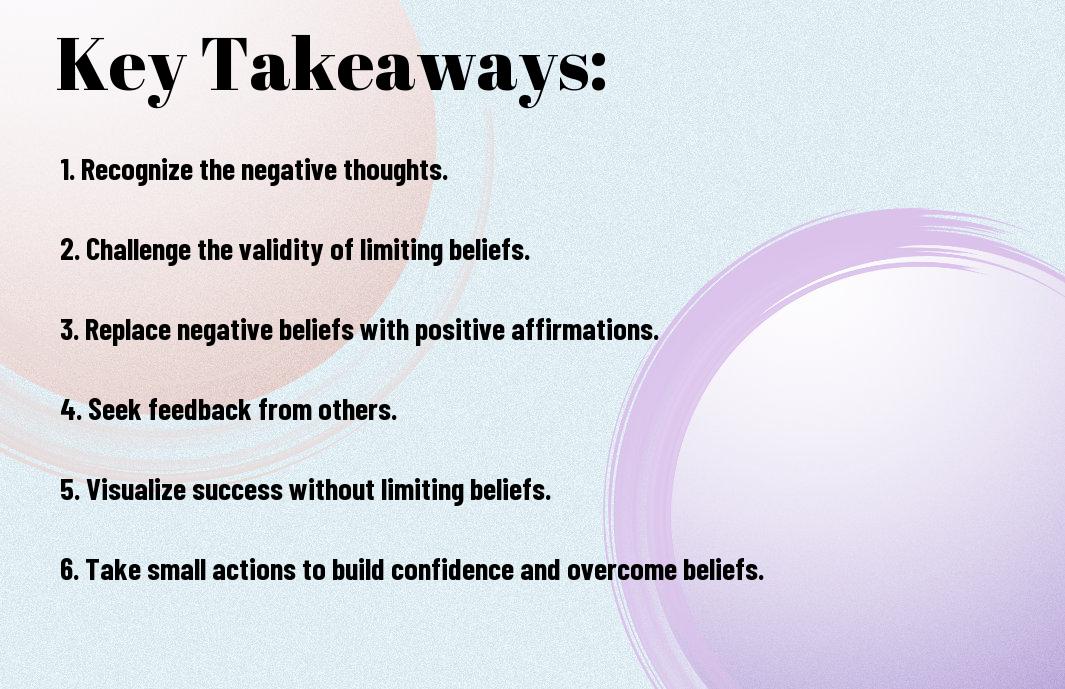
Key Takeaways:
- Recognize the limiting beliefs: Acknowledge the negative self-talk and beliefs that are holding you back from reaching your full potential.
- Challenge the limiting beliefs: Question the validity of these beliefs and look for evidence that contradicts them. Replace them with more empowering beliefs.
- Take action: Take small steps towards your goals to build confidence and prove to yourself that your limiting beliefs are not accurate. Surround yourself with supportive people who can help you stay motivated and positive.

Identifying Limiting Beliefs
Your journey towards overcoming limiting beliefs begins with identifying the thoughts and beliefs that are holding you back from reaching your full potential. By becoming aware of these beliefs, you can start the process of challenging and reframing them.
Recognizing Patterns and Triggers
Recognizing patterns and triggers that evoke negative emotions or self-doubt is key to uncovering your limiting beliefs. Pay attention to situations where you feel stuck or where your confidence wavers. These are often indicators that there may be underlying beliefs at play. Take note of recurring thoughts or reactions that surface during these times, as they can provide valuable insights into your limiting beliefs.
Exploring Emotional Responses
Patterns of emotional responses can be powerful clues to identifying limiting beliefs. When you find yourself feeling fear, self-criticism, or hesitation, dig deeper to understand the root cause of these emotions. Are there specific beliefs about yourself or the world that are fueling these reactions? By exploring your emotional responses, you can shine a light on the beliefs that may be inhibiting your growth and progress.
As you explore your emotional responses, remember to approach this process with curiosity and compassion. It’s natural to feel vulnerable when uncovering limiting beliefs, but it’s also an opportunity for growth and self-discovery. Embrace this journey with an open heart and mind, knowing that by confronting your limiting beliefs, you are taking a courageous step towards living a more empowered and fulfilling life.
Common Sources of Limiting Beliefs
The journey to identifying and overcoming limiting beliefs often begins with understanding where these beliefs originate. By recognizing the sources of your limiting beliefs, you can start to unravel their hold on you and work towards a positive mindset. Let’s explore some common sources together.
Childhood Experiences and Upbringing
Any negative or critical messages you received during your childhood can deeply impact your beliefs about yourself and the world around you. Whether it was a caregiver, teacher, or peer, these early influencers can shape how you view your capabilities and worth. Reflecting on your upbringing can help you uncover any ingrained beliefs that may be holding you back.
Societal and Cultural Expectations
For many individuals, societal norms and cultural expectations play a significant role in shaping their beliefs and limiting their potential. The pressure to conform to certain standards or roles can create self-doubt and fear of stepping outside the box. It’s important to recognize that these expectations may not align with your true desires and values.
A deeper examine societal and cultural influences can shed light on why you hold certain beliefs. By questioning and challenging these external standards, you can begin to redefine success and happiness on your own terms.
Past Traumas and Failures
Failures and traumas from your past can leave lasting imprints on your beliefs about yourself and your capabilities. These experiences can create a fear of repeating past mistakes or a belief that you are not worthy of success. By acknowledging and processing these traumas, you can heal old wounds and rewrite the narrative of your life.
Limiting beliefs often stem from past traumas and failures that have shaped your worldview. Recognizing how these experiences have influenced your mindset is the first step towards freeing yourself from their constraints.
The Impact of Limiting Beliefs
Once again, it’s important to highlight the profound impact that limiting beliefs can have on various aspects of your life. These beliefs can significantly affect your self-confidence, relationships, career choices, and overall well-being.
On Self-Confidence and Self-Worth
Impact: Limiting beliefs have a direct correlation with your self-confidence and self-worth. When you harbor beliefs that you are not good enough, smart enough, or deserving enough, it can undermine your belief in yourself. This lack of self-confidence can permeate all areas of your life, holding you back from pursuing opportunities and reaching your full potential.
On Relationships and Communication
Self-Confidence: Your limiting beliefs can also impact your relationships and communication with others. If you believe that you are unworthy of love or respect, you may settle for unhealthy relationships or struggle to communicate your needs effectively. These beliefs can create barriers to forming meaningful connections and hinder your ability to assert yourself in various social interactions.
Relationships: Furthermore, limiting beliefs can lead you to doubt the intentions of others, leading to a cycle of mistrust and miscommunication. By addressing and overcoming these beliefs, you can foster healthier relationships built on trust, respect, and open communication.
On Career and Life Choices
To fully understand the impact of limiting beliefs on your career and life choices, you must recognize how they influence your decision-making process. Beliefs such as “I’m not good enough for that promotion” or “I don’t deserve to pursue my dream job” can limit your professional growth and prevent you from taking risks that could lead to fulfilling opportunities.
Communication: By challenging these beliefs and reframing your mindset, you can make choices that align with your values and aspirations. Ultimately, breaking free from limiting beliefs can empower you to pursue a career path that truly resonates with you and live a life that reflects your authentic self.
Challenging Limiting Beliefs
Questioning Assumptions and Evidence
The first step in challenging limiting beliefs is to question the assumptions and evidence that support them. By asking yourself why you believe certain things about yourself or your abilities, you can start to uncover the root of these limiting beliefs. Reflect on where these beliefs came from and whether they are based on facts or simply perceptions.
Reframing Negative Self-Talk
Beliefs that hold you back often stem from negative self-talk. Reframing this internal dialogue is crucial in overcoming limiting beliefs. Instead of saying “I can’t do this,” try shifting to “I can learn how to do this with practice and effort.” By changing the way you speak to yourself, you can gradually change your beliefs about what you are capable of achieving.
Limiting beliefs can be deeply ingrained and may have been reinforced over time. By consciously replacing negative self-talk with more empowering and positive language, you can start to break free from these self-imposed limitations.
Seeking Alternative Perspectives
Forcing yourself to see things from different angles can help challenge your limiting beliefs. Seek out diverse perspectives from friends, mentors, or professionals who can offer fresh insights into your abilities and potential. By opening yourself up to new viewpoints, you can start to broaden your own understanding of what is truly possible for you.
Alternative perspectives can shine a light on possibilities and strengths you may have overlooked or dismissed due to your limiting beliefs. Embracing different viewpoints can be a powerful tool in reshaping your mindset and breaking free from self-imposed limitations.

Building Self-Awareness
Mindfulness and Meditation Practices
Keep in mind that self-awareness is the key to identifying limiting beliefs. By practicing mindfulness and meditation, you can observe your thoughts, emotions, and beliefs without judgment. This awareness can help you recognize patterns of negative thinking and the beliefs that may be holding you back.
Journaling and Reflection Techniques
Any time you find yourself feeling stuck or facing self-doubt, take a moment to journal about your thoughts and emotions. Writing down your inner dialogue can reveal hidden limiting beliefs that you may not have been aware of. Reflecting on these entries can provide insights into where these beliefs originated and how they impact your behavior.
An effective journaling technique is to write freely without censoring yourself. Allow your thoughts to flow onto the pages without judgment. Then, take some time to review your entries and look for recurring themes or negative self-talk patterns that may point to underlying limiting beliefs.
Seeking Feedback from Others
Practices like seeking feedback from trusted friends, family, or mentors can provide valuable insights into your blind spots. Sometimes, others can see things about you that you might not recognize in yourself. Ask for honest feedback about your strengths, weaknesses, and any patterns they may have noticed in your behavior or beliefs.
Seeking feedback from others allows you to gather different perspectives and gain a deeper understanding of how your beliefs and behaviors are perceived by those around you. It can be a powerful way to uncover and confront limiting beliefs that might be holding you back from reaching your full potential.
Developing Empowering Beliefs
All growth starts with changing your beliefs about yourself and your abilities. By developing empowering beliefs, you can create a new foundation for a more positive and confident mindset. Here are some practical steps to help you cultivate empowering beliefs:
Focusing on Strengths and Achievements
Strengths, achievements, and past successes are powerful indicators of what you are capable of. Take a moment to reflect on your strengths and accomplishments—both big and small. By acknowledging what you have already achieved, you can boost your confidence and remind yourself of your capabilities.
Remembering past victories can help you see that you have overcome challenges before and can do so again. This shift in focus can empower you to tackle current obstacles with a renewed sense of self-assurance.
Practicing Gratitude and Appreciation
With gratitude and appreciation, you can shift your focus from what is lacking to what you already have. Take time each day to reflect on the things you are grateful for, whether it’s supportive friends, your health, or even the beauty of nature. By cultivating a mindset of gratitude, you can train your brain to notice the positive aspects of your life.
To practice gratitude, you can start a gratitude journal where you write down three things you are thankful for each day. This simple practice can help you reframe your perspective and increase feelings of contentment and abundance in your life.
Cultivating a Growth Mindset
Practicing a growth mindset involves believing in your ability to learn and grow from challenges. Embrace setbacks as opportunities for growth and see failures as stepping stones to success. By reframing obstacles as chances to learn and improve, you can develop a mindset that fosters resilience and perseverance.
Plus, remember that growth is a journey, not a destination. Celebrate small wins along the way, and stay open to new possibilities and opportunities for personal development. By cultivating a growth mindset, you can transform challenges into valuable lessons that propel you forward on your path to self-improvement.
Conclusion
Upon reflecting on the practical steps to identify and overcome limiting beliefs, remember that self-awareness is the first crucial step. Take the time to examine your thoughts and beliefs, and question where they came from. Use journaling or therapy to explore deeper into the roots of these beliefs. By shining a light on your limiting beliefs, you can start to unravel and overcome them.
Fearlessly challenge your limiting beliefs by replacing them with empowering and positive affirmations. Surround yourself with supportive and uplifting individuals who can help you challenge these beliefs and encourage your growth. Do not forget, it takes time and effort to break free from limiting beliefs, but with dedication and a willingness to change, you can create a mindset that empowers you to reach your full potential.
Q: What is a limiting belief?
A: A limiting belief is a false belief or thought that hinders an individual’s personal growth, success, happiness, or fulfillment. These beliefs are often deeply ingrained and can hold individuals back from reaching their full potential.
Q: How can I identify my limiting beliefs?
A: To identify your limiting beliefs, start by paying attention to any negative self-talk or patterns of behavior that may be holding you back. Reflect on areas of your life where you feel stuck or unable to progress. Journaling, seeking feedback from others, and working with a therapist or coach can also help uncover limiting beliefs.
Q: How can I overcome limiting beliefs?
A: To overcome limiting beliefs, first, acknowledge and challenge them by questioning their validity and exploring evidence that contradicts them. Replace negative self-talk with positive affirmations and cultivate a growth mindset. Surround yourself with supportive and positive influences, set realistic goals, and take small steps outside your comfort zone to gradually build confidence and overcome limiting beliefs.
